Last updated November 23, 2026
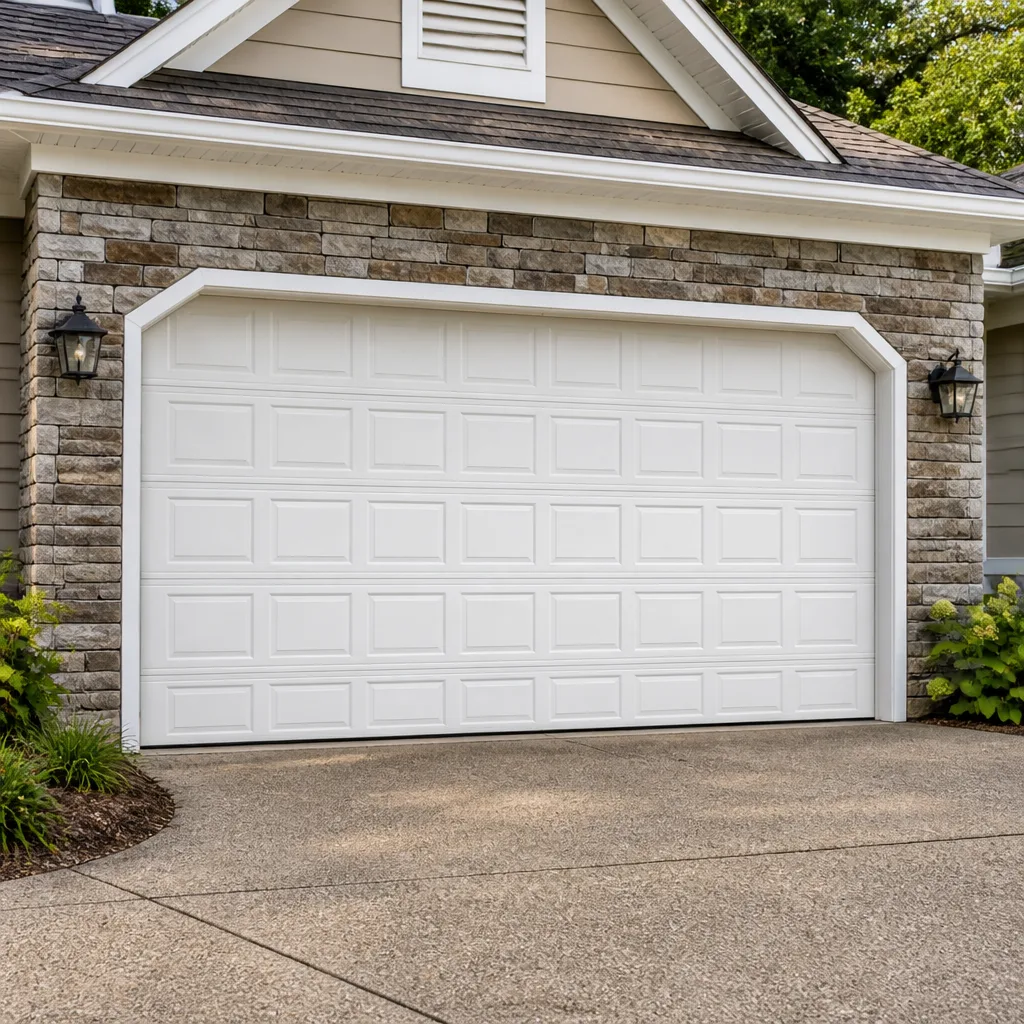 Raised-panel steel
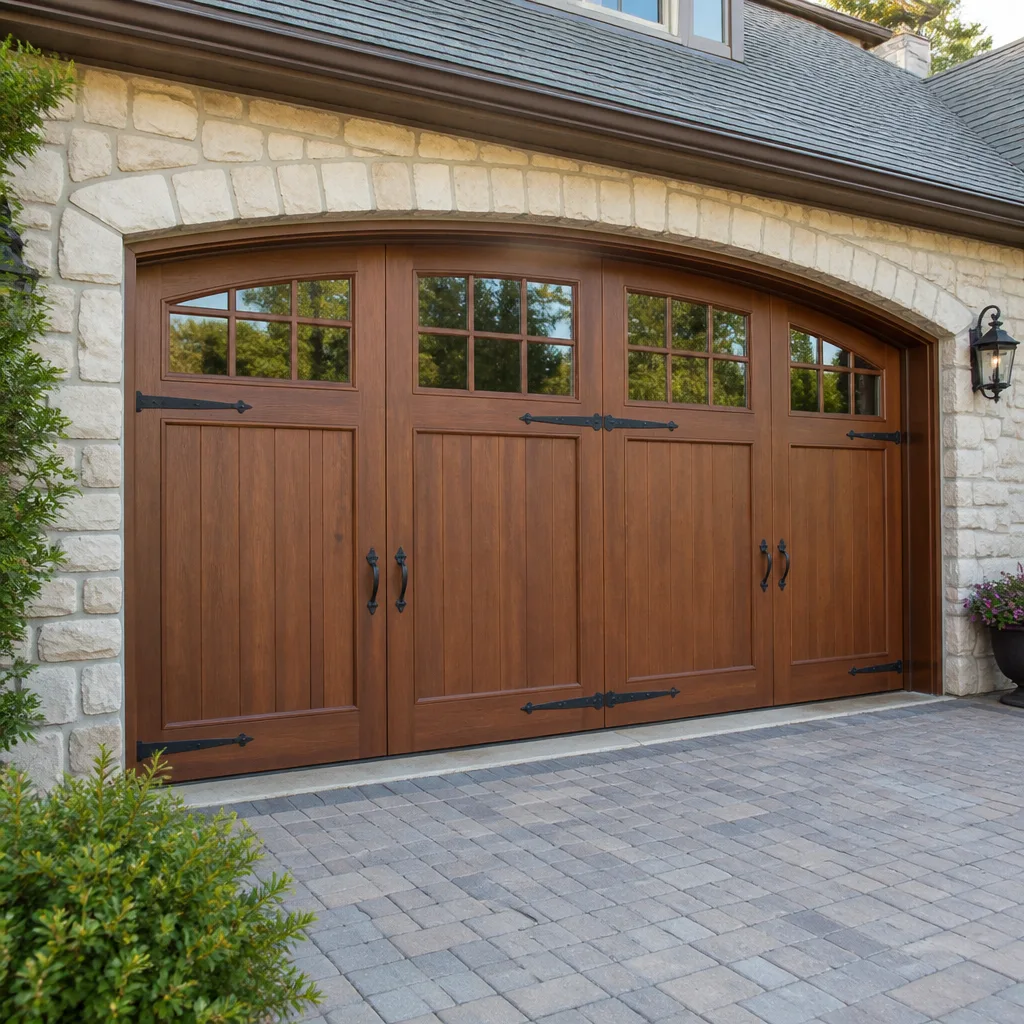 Carriage house
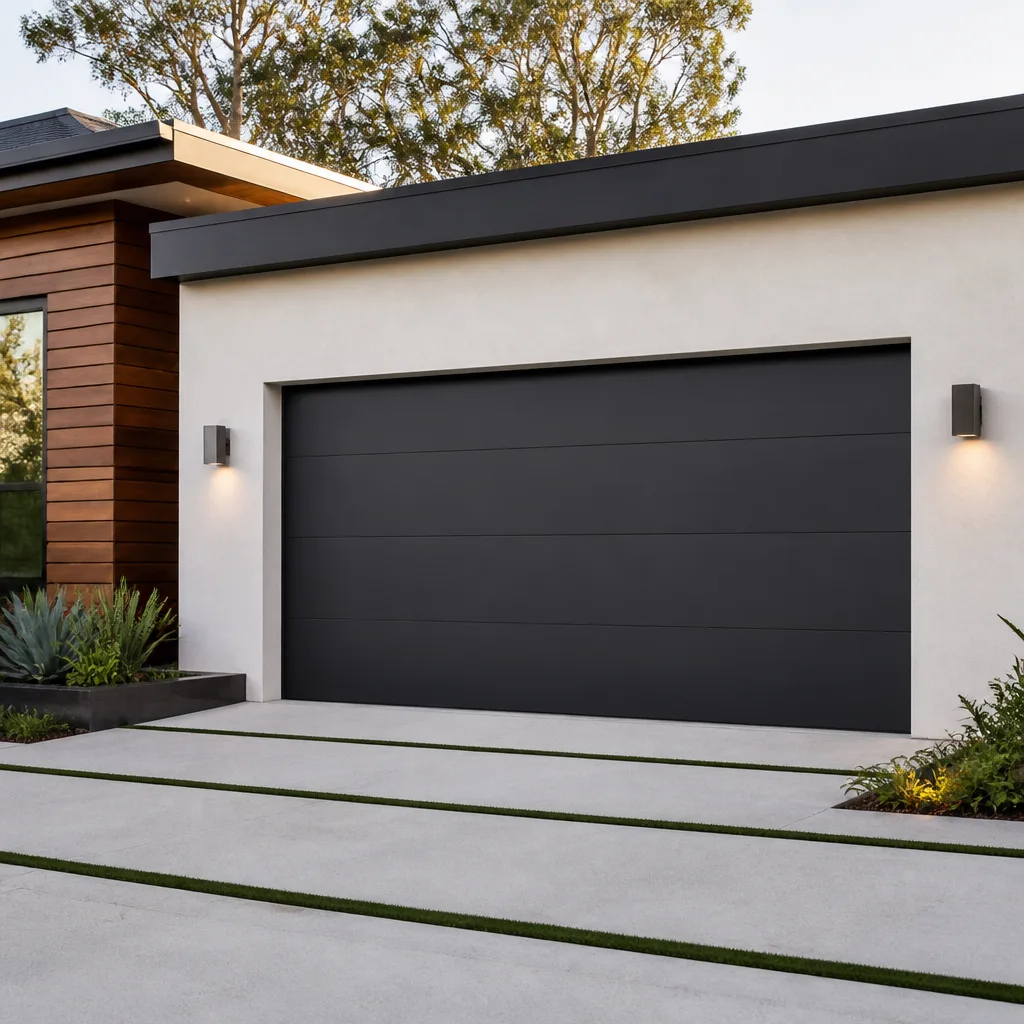 Modern flush
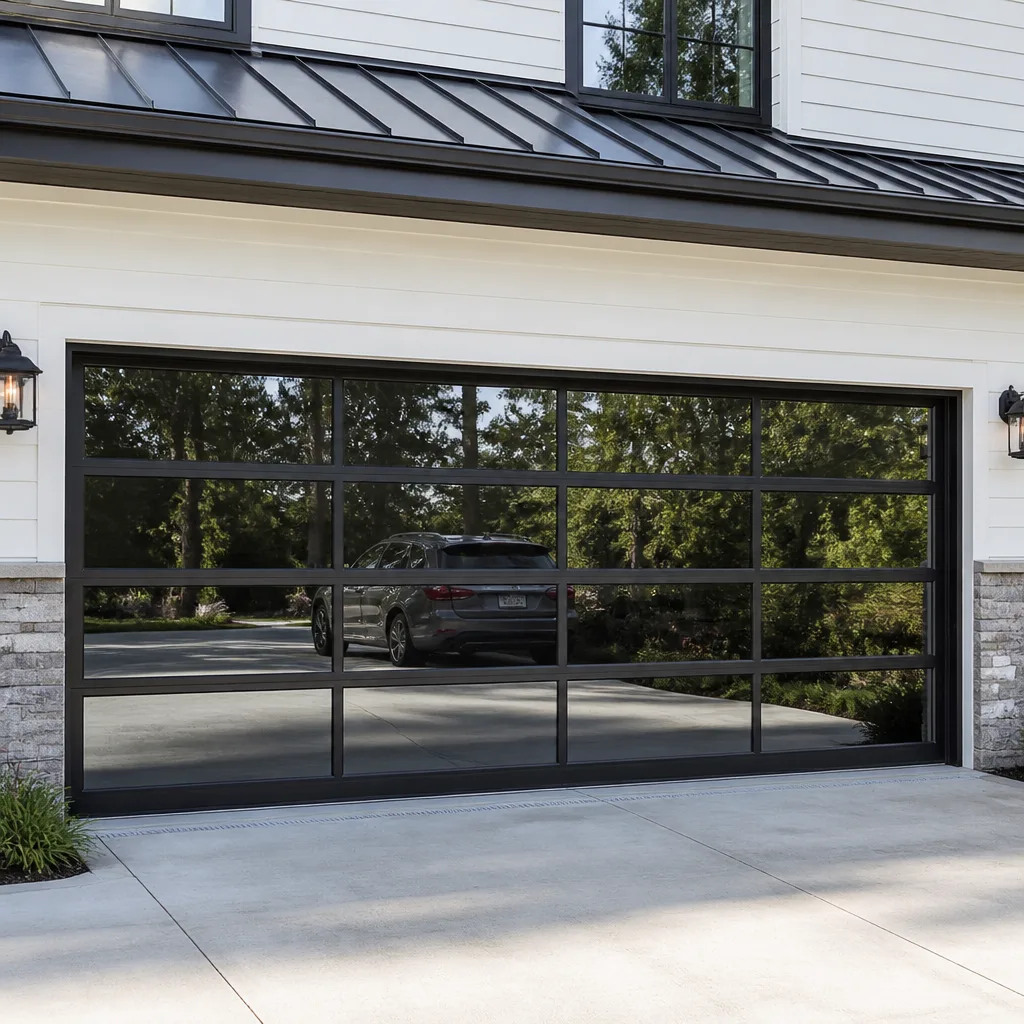 Full-view glass
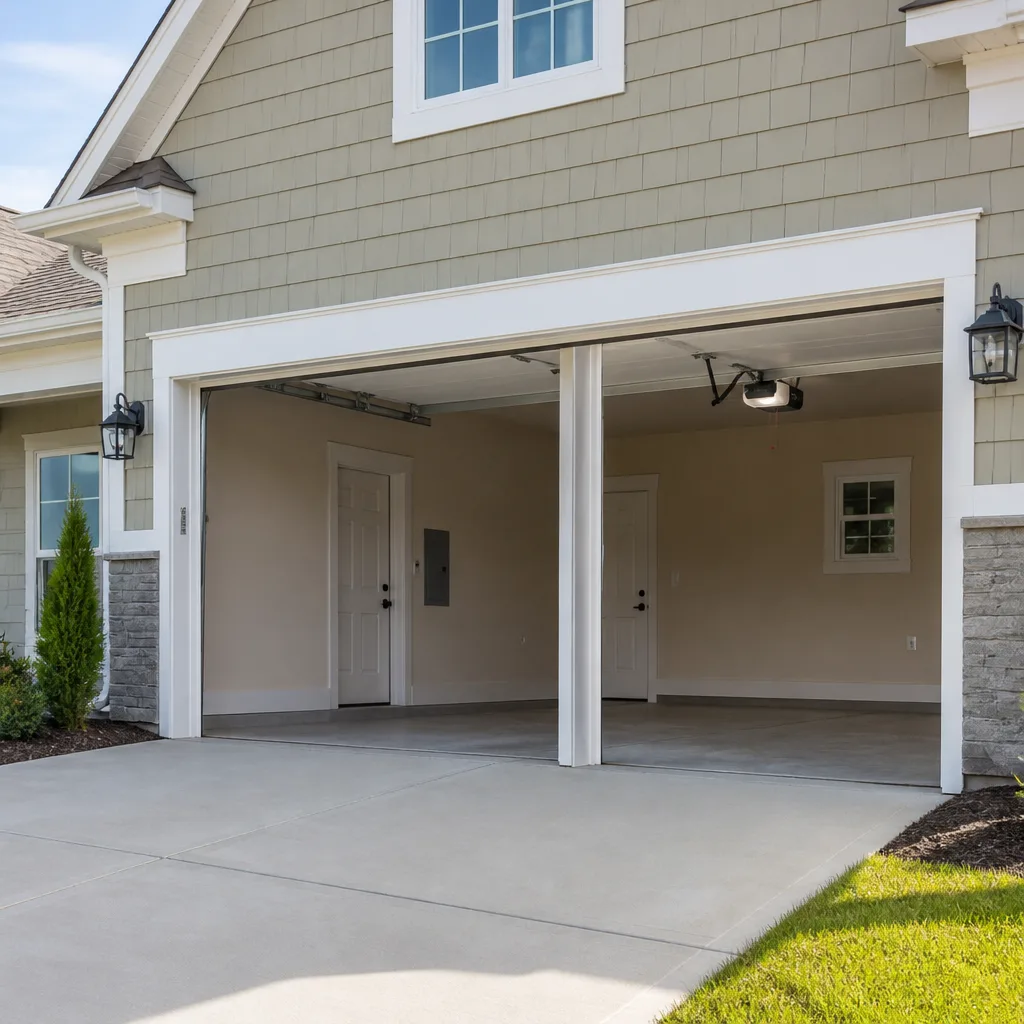 LiftMaster openers
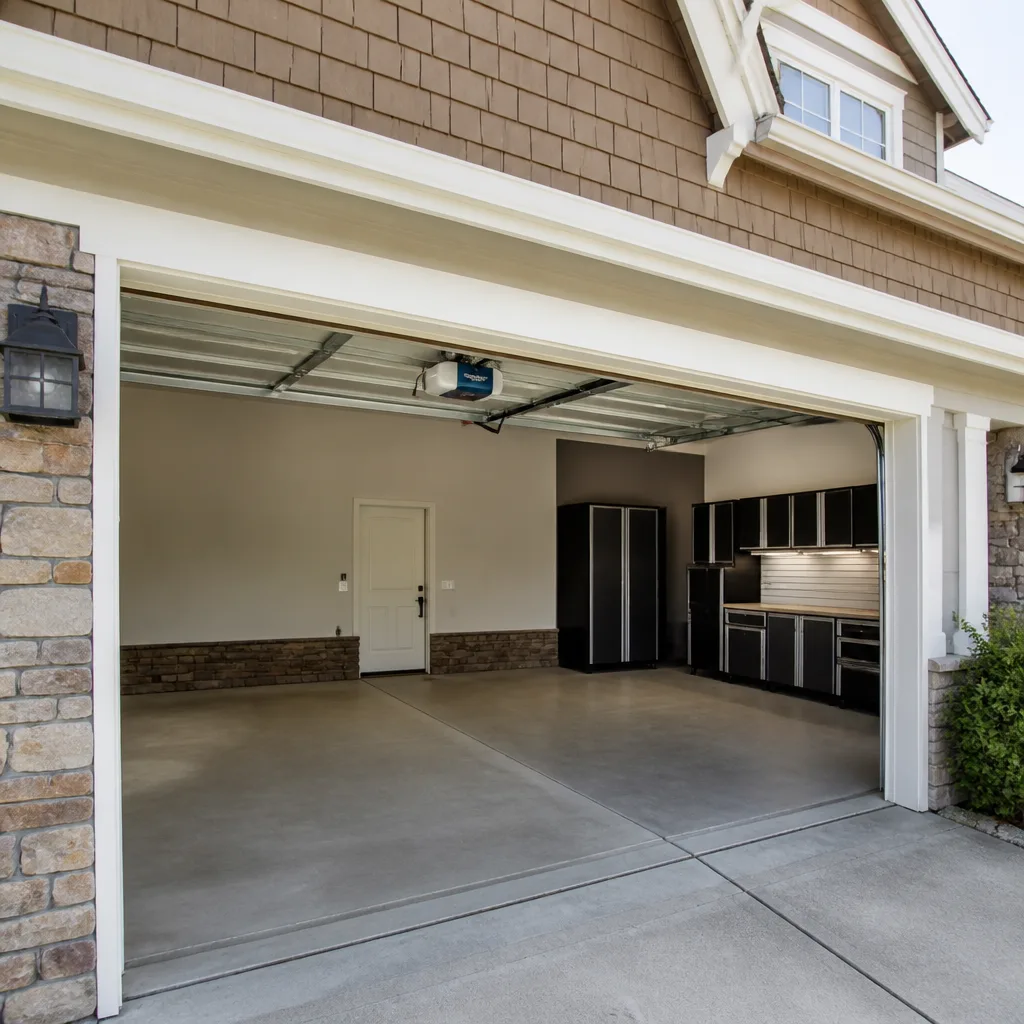 Chamberlain openers
Full 25-point door and opener safety check with every visit - springs, cables, rollers, tracks, and your LiftMaster or Chamberlain opener included
You get a price before we start. It does not change when the pro arrives.
Get your free estimateGarage Door Warning Signs: A Levittown Homeowner’s Reference Guide
Most garage door advice treats every symptom the same way: notice it, call someone. That’s not how a trained technician reads a door. A door that’s slightly slow to open is usually a lubrication issue, a fifteen-dollar can of garage door lube and an afternoon. A door that’s slightly slow to open and grinds on the way up is a spring under stress, and letting it run is how a slow morning turns into a snapped cable and a car trapped inside. Same symptom, two completely different answers. This guide gives Levittown homeowners a three-tier decision tree for every common warning sign: what to monitor, what to schedule, and what means stop using the door right now. You’ll learn how to read the sounds, test the door’s balance in a minute, and tell a door problem from an opener problem before anyone tries to sell you a new motor.
Styles & brands we work with
- Raised-panel steel
- Carriage house
- Modern flush
- Full-view glass
- LiftMaster openers
- Chamberlain openers
Quick Answer
The warning signs that matter most are a door that won’t stay balanced when you disconnect the opener, grinding or popping from above the door, a gap at the bottom that lets daylight show, and an opener that strains or reverses on its own. Signs like a slow, quiet door or minor squeaking usually mean lubrication and adjustment. Signs like a loud bang, a visibly bent track, a door hanging crooked, or a snapped spring mean stop using the door and call a trained technician. When in doubt, a free estimate in Levittown settles which category you’re in faster than guessing.
Table of Contents
- The Three-Tier System: Monitor, Schedule, or Stop
- What Each Sound Tells You About the Component
- The 60-Second Balance Test
- Visual Warning Signs Specific to Levittown Homes
- Opener Symptoms That Are Actually Door Problems
- Signs That Mean Stop Using the Door Today
- Seasonal Signs Worth Checking Before Winter
- Common Mistakes to Avoid
The Three-Tier System: Monitor, Schedule, or Stop
Every warning sign on a garage door falls into one of three action tiers, and getting the tier right is the whole game. Reading a symptom at the wrong tier is how homeowners end up either overpaying for an emergency call on something routine or, worse, running a door that’s one cycle away from failing. Here’s how we sort them.
Tier 1: Monitor it (DIY-friendly)
- A high-pitched squeal during travel, usually metal-on-metal contact that a proper garage door lubricant resolves.
- A door that runs a little slowly but moves evenly and smoothly on both sides.
- An opener remote that occasionally needs a second click, often a battery or signal issue rather than a mechanical one.
- A faint rattle from a door panel that’s slightly loose where the hinge bolts have worked free.
These are typically a few dollars in lubricant, a fresh battery, or a screwdriver and ten minutes. Watch whether the symptom gets louder or more frequent over a week or two. If it stays flat, you’ve likely handled it.
Tier 2: Schedule a repair soon
- Grinding noises coming from the torsion bar above the door or the spring assembly.
- Weatherstrip that’s cracked, torn, or pulling away from the bottom edge of the door.
- A door that closes unevenly, with one side lagging behind the other.
- Rust developing on the visible coils of extension springs.
- An opener that strains noticeably on the first few inches of travel.
None of these are emergencies today, but each one tends to worsen with use. Scheduling a garage door repair before a small fault becomes a failure is almost always the cheaper path.
Tier 3: Stop using the door immediately
- Any loud bang from the door mechanism, followed by a door that won’t lift.
- A door that hangs visibly crooked or drops back down a few inches after you open it.
- A visibly broken spring with a clear gap in the coil.
- A bent or separated track.
- A dangling or frayed cable, or a curl forming in the lift cable.
These are the signs that put the door in the “don’t run it” category. Springs and cables are under extreme tension, and both can fail catastrophically and cause serious injury. Anything in this tier is a job for a trained technician, and the safest move is to leave the door down and call.
What Each Sound Tells You About the Component
A garage door is a system of a few moving parts, and each one complains in its own language. Learning to translate gets you a much faster diagnosis than describing a symptom in general terms, and it saves the technician a step when they arrive.
Grinding
Grinding usually points to metal-on-metal wear where dry rollers are turning in dry hinges, or to the torsion bar where lubrication has dried out. A high, sharp grind from above the door when the opener first lifts it can also mean a spring that’s lost some of its tension and is working unevenly. Grinding is a schedule-soon sign and almost always gets worse with use.
Popping
A single sharp pop when the door starts or finishes a cycle is often a torsion spring that’s slipped or a cable that has jumped a drum. If the pop happens once per cycle and the door still runs evenly, monitor it. If it happens repeatedly through the travel, stop using the door and have it looked at. A popping spring is a component that’s already stressed.
Rattling
A general rattle is often loose hardware: hinge bolts, a panel that’s separated slightly, or rollers that need tightening. On older wood doors, a rattle can also mean a panel joint that’s started to work loose. Rattling is rarely dangerous, but on a heavy door it can cause bolts to back out over time.
Squealing
Squealing is almost always lubrication: dry rollers, dry hinges, or a dry opener chain or belt. In most cases a proper garage door lubricant, applied to the right spots, quiets it and eases the strain on the motor. If the squeal continues after lubrication and comes from above the door rather than from the hardw
See the difference
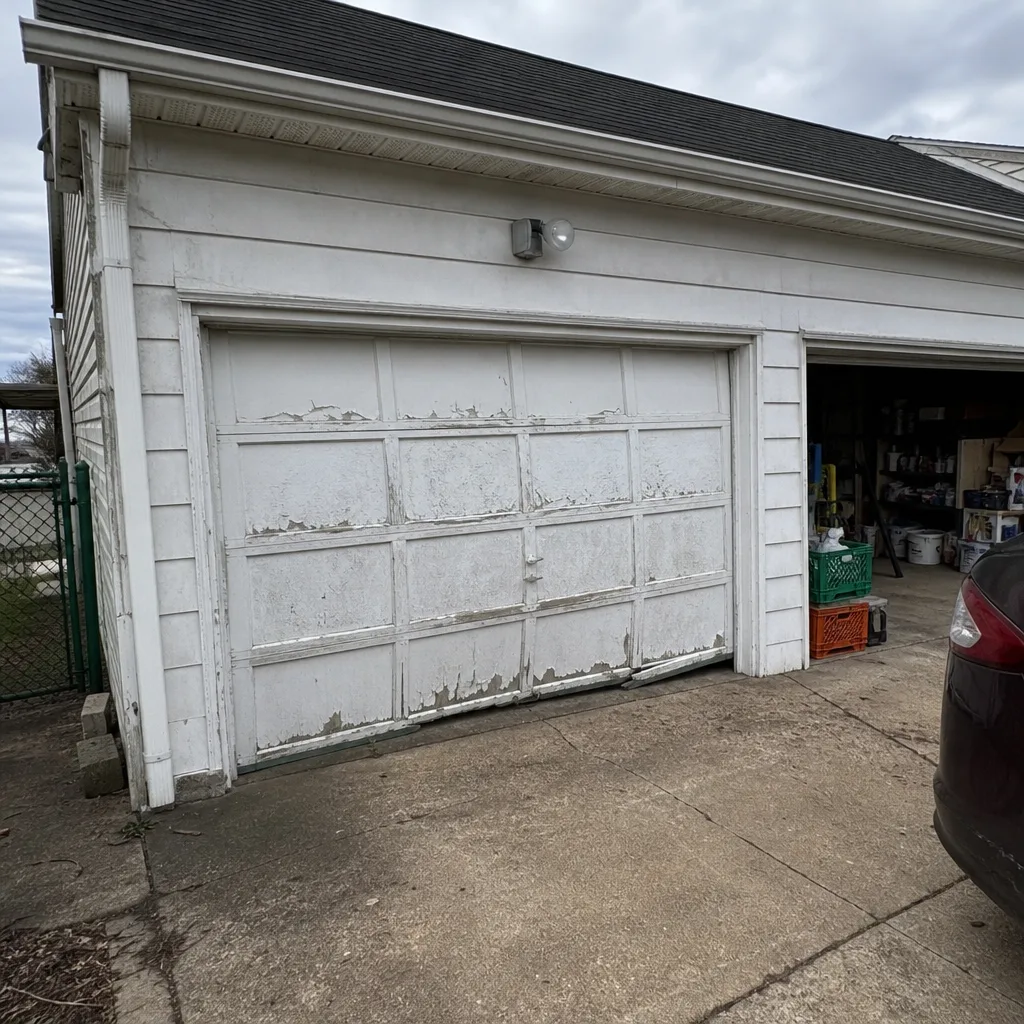 Before
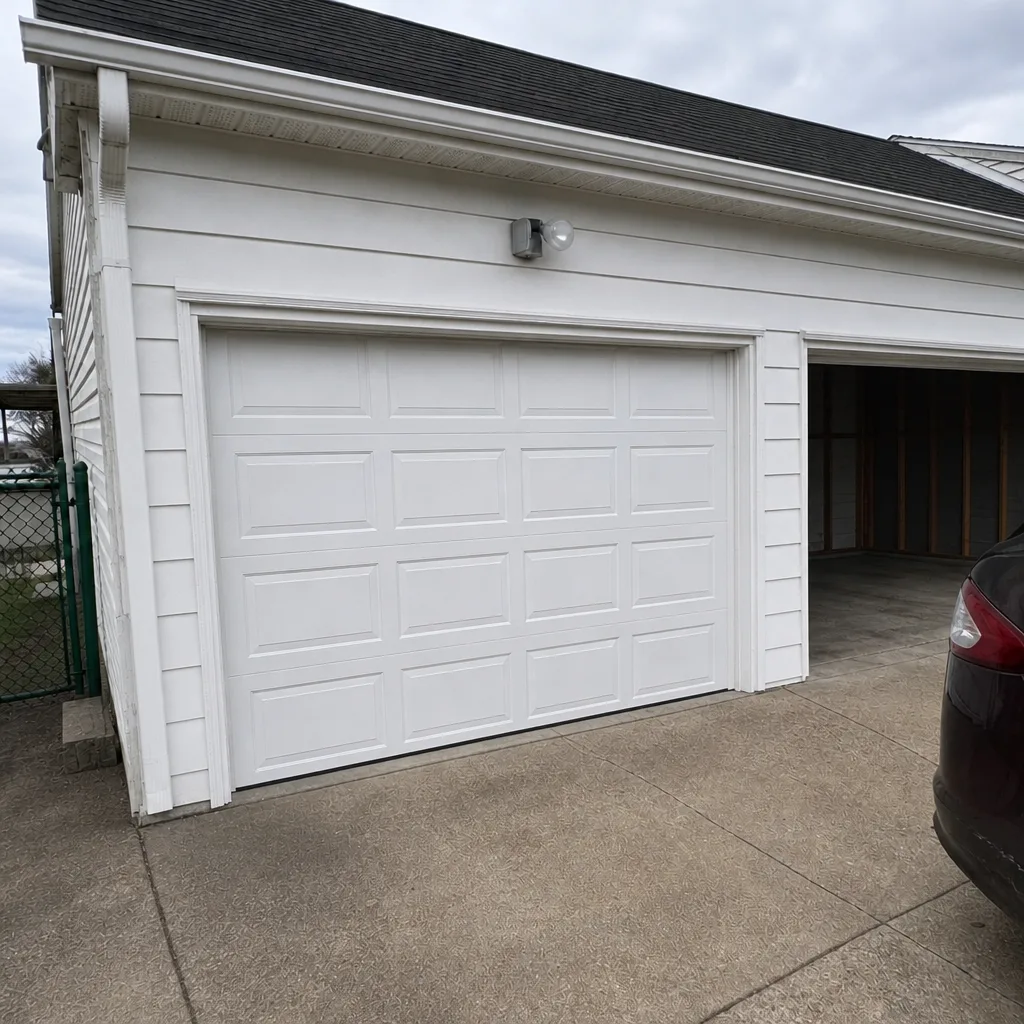 After
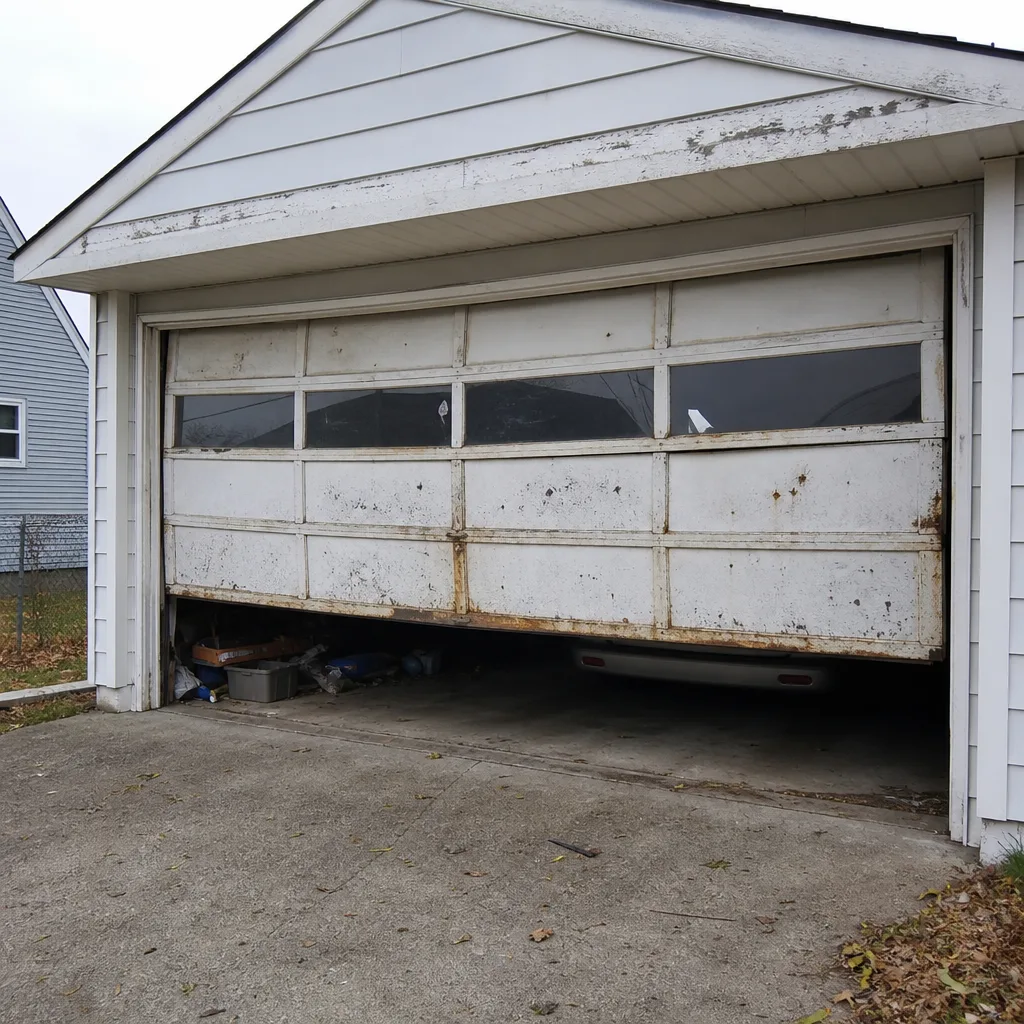 Before
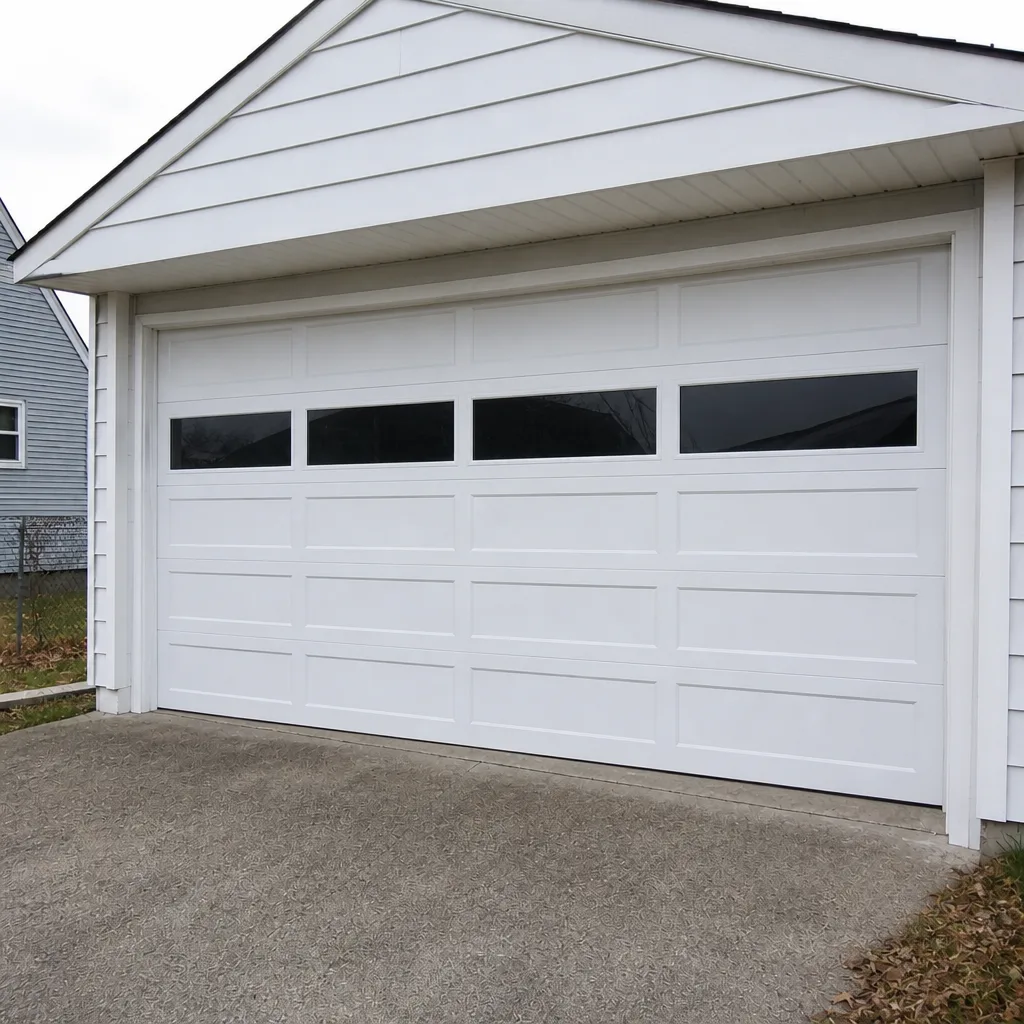 After
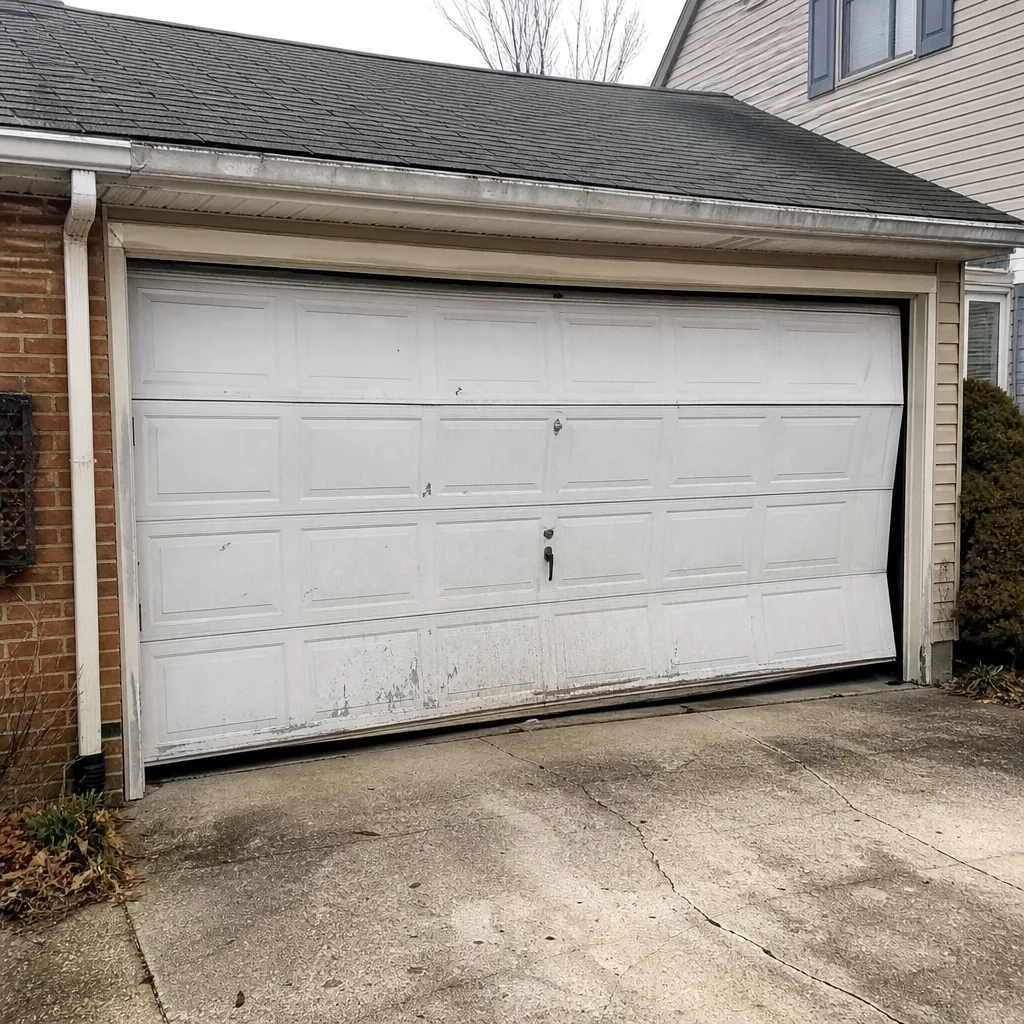 Before
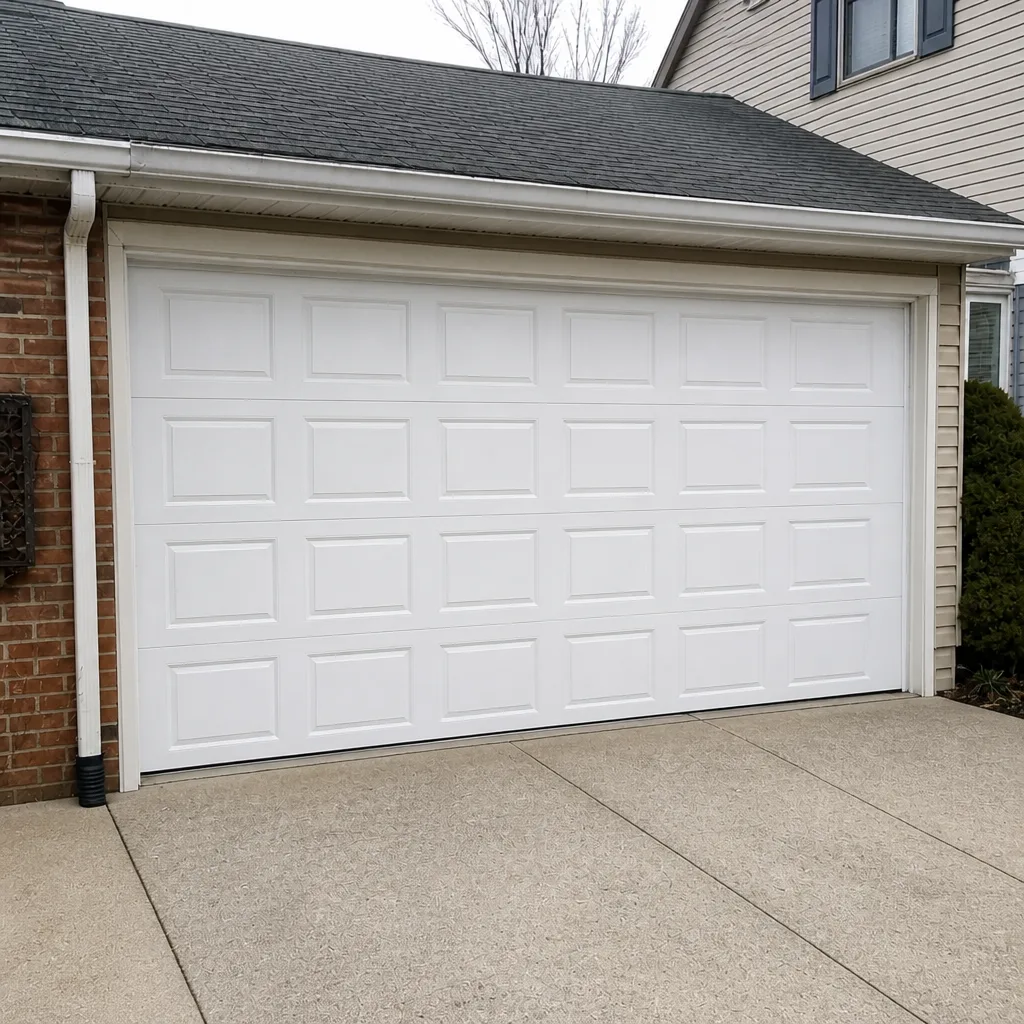 After