Last updated November 23, 2026
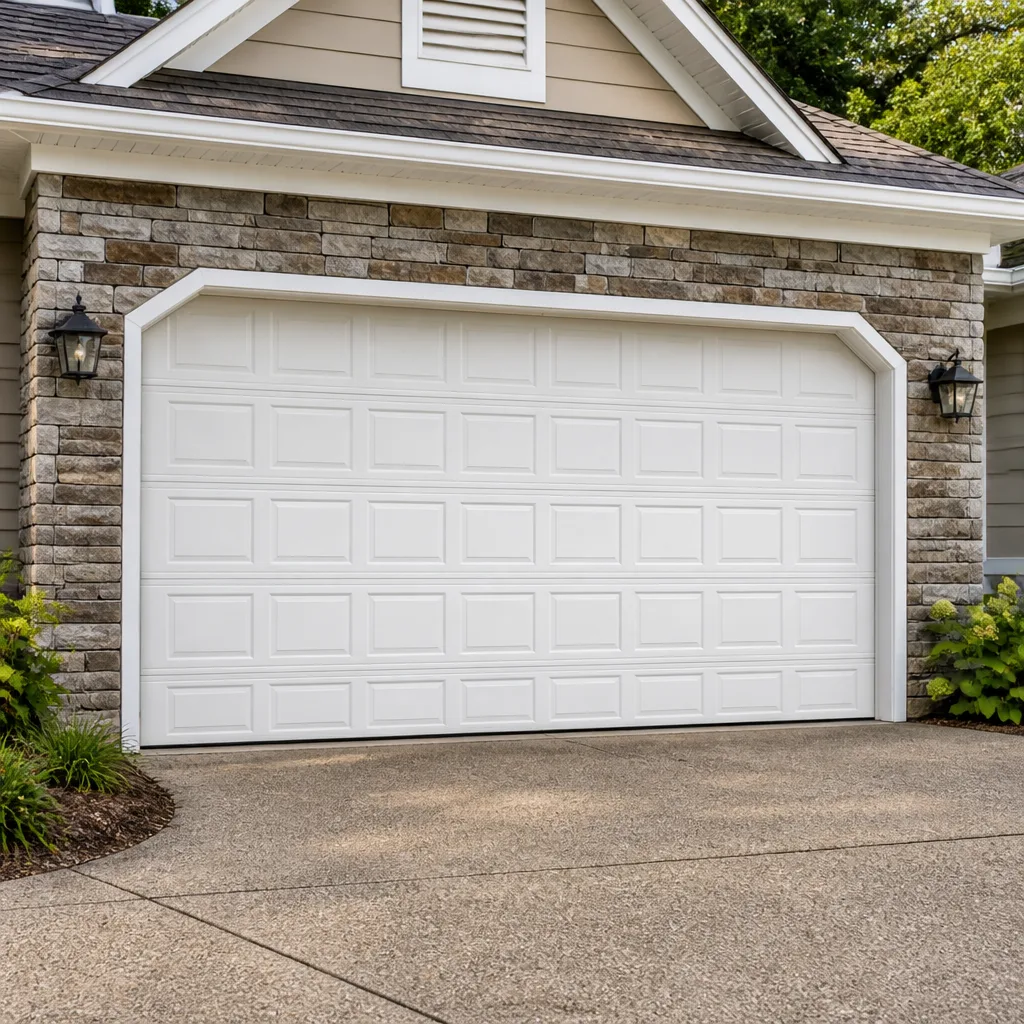 Raised-panel steel
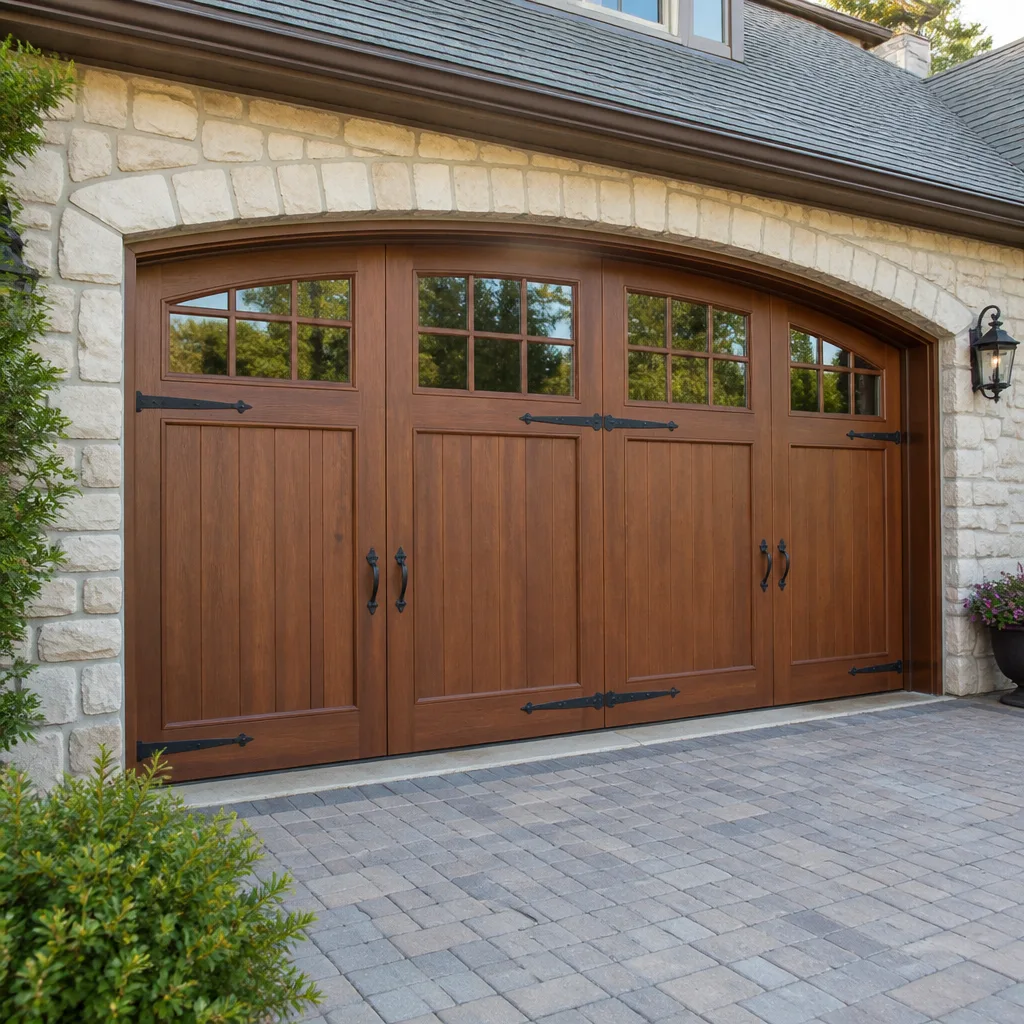 Carriage house
 Modern flush
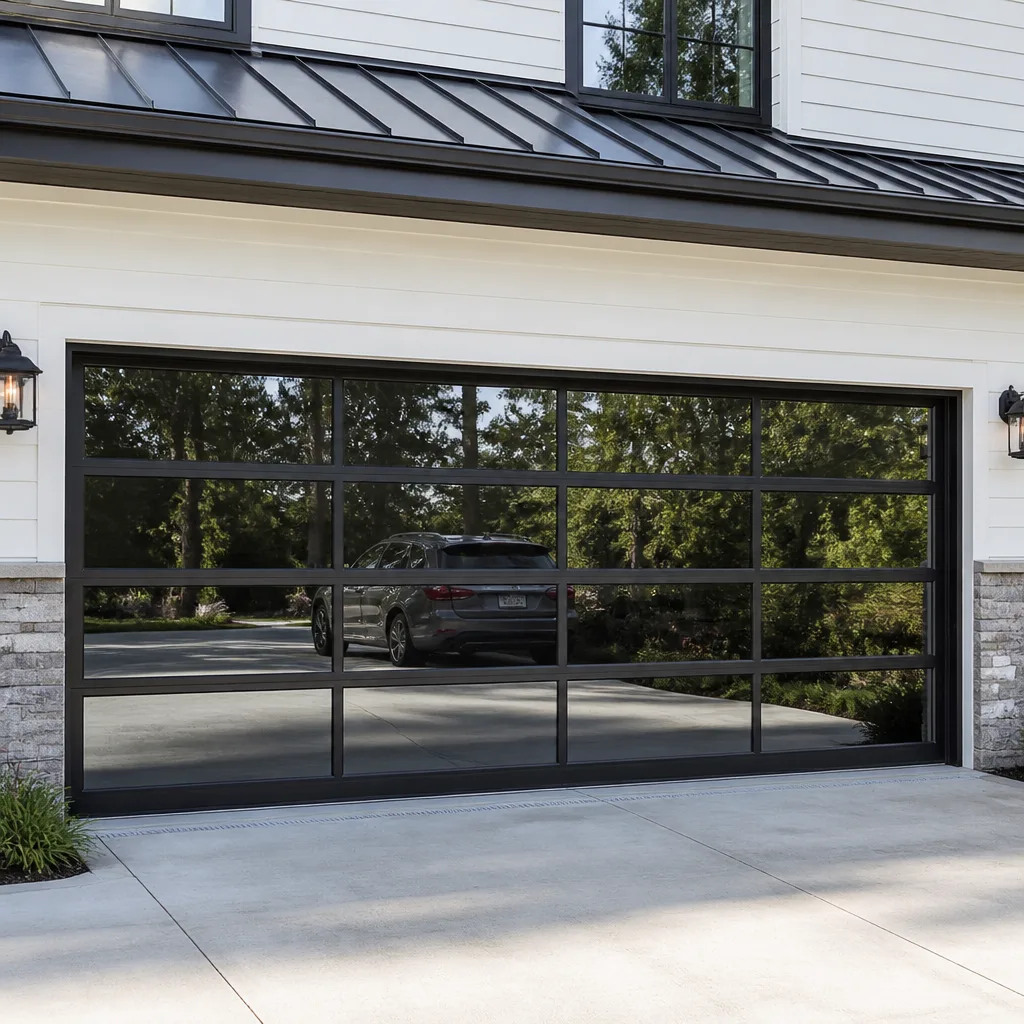 Full-view glass
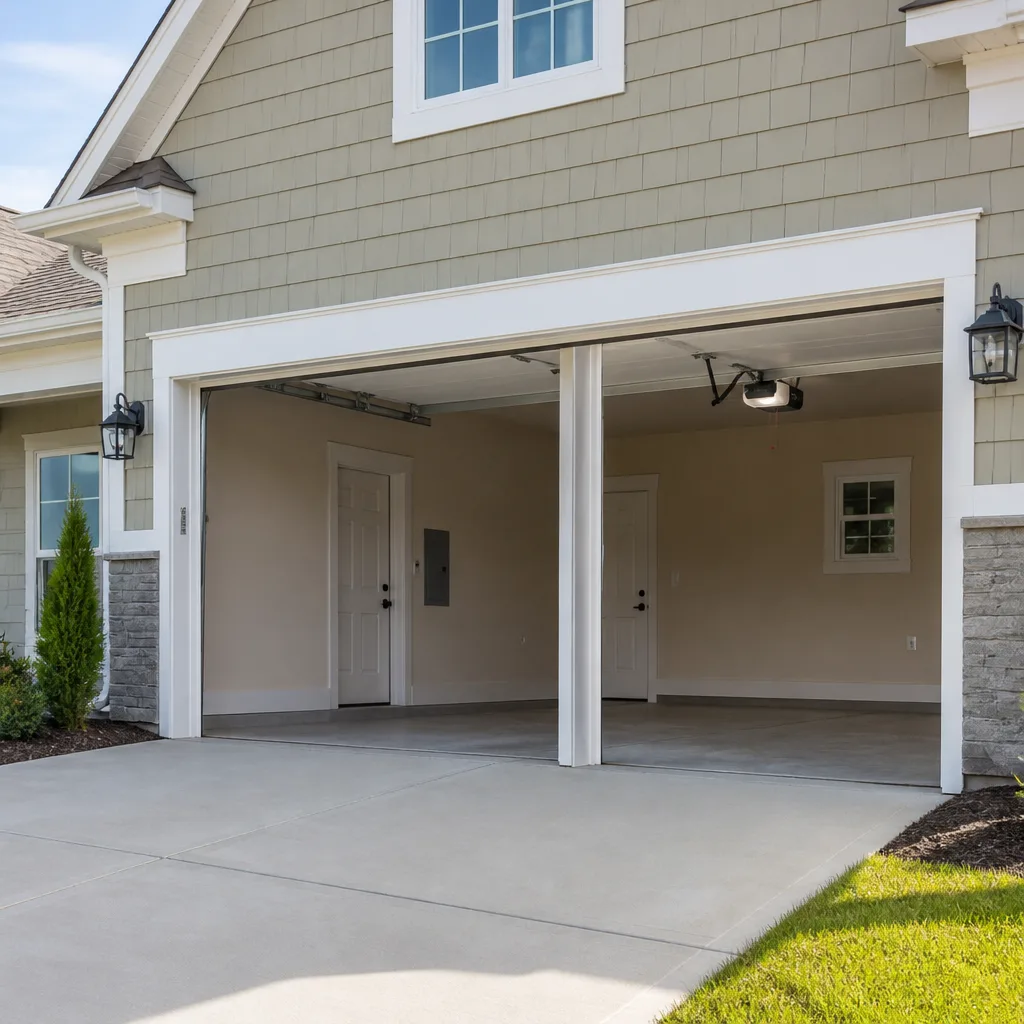 LiftMaster openers
 Chamberlain openers
Full 25-point door and opener safety check with every visit - springs, cables, rollers, tracks, and your LiftMaster or Chamberlain opener included
You get a price before we start. It does not change when the pro arrives.
Get your free estimateGarage Door Repair Maintenance Schedule: What to Do and When
Most garage doors fail on a schedule you can predict, and the maintenance calendar that prevents those failures has almost nothing to do with checking boxes. It’s about timing. A door that runs quiet all summer can seize its first cold morning because nobody thought about the track in October. A spring that’s been groaning since spring will usually snap in the first real cold snap, not in July. Homeowners in Levittown tend to find us at the end of that chain, when a door won’t close and the car is trapped inside. This guide is what we’d hand a neighbor: a month-by-month schedule tuned to this climate, the products that actually help and the ones that quietly cause damage, realistic lifespans for every moving part, and the two-minute safety test that heads off most emergency calls before they start.
Quick Answer
A garage door maintenance schedule should follow the seasons, not a generic punch list: lubricate moving parts and test the safety reverse in spring, inspect tracks and hardware before summer heat, check weatherstripping and balance in early fall, and do a full pre-winter inspection of springs, cables, and rollers before the first freeze. In Levittown, the two highest-value habits are a monthly safety-reverse test and a thorough pre-winter tune-up in October or November, when cold weather starts stressing metal components that ran fine all summer.
Styles & brands we work with
- Raised-panel steel
- Carriage house
- Modern flush
- Full-view glass
- LiftMaster openers
- Chamberlain openers
Table of Contents
- Why a Seasonal Schedule Beats a Yearly Checklist
- Month-by-Month Maintenance Calendar for Levittown
- The Right Products (and Why WD-40 Doesn’t Belong on a Garage Door)
- Component Lifespans: When Maintenance Ends and Replacement Planning Begins
- The Two-Minute Monthly Safety Test Most Homeowners Skip
- How to Document Maintenance So Failures Get Predicted
- What You Can Safely Check Yourself (and What You Can’t)
- Common Mistakes to Avoid
Why a Seasonal Schedule Beats a Yearly Checklist
A garage door is a mechanical system that lives outdoors, which means it takes its orders from the weather. Every component reacts to temperature: steel contracts in the cold, lubricant thickens, rubber weatherstripping stiffens, and wood or composite panels move slightly with humidity. That’s why timing matters more than frequency. A lubricating job done thoroughly in late summer means the rollers and hinges carry a protective film into the first cold mornings, when a dry hinge can bind and a dry roller can flat-spot against a cold track. Do the same job in April and much of it has worn or washed away by the time you need it.
Levittown’s climate gives us four distinct maintenance seasons. Summers are humid, which is hard on painted steel and on any wood trim around the opening. Fall brings temperature swings that loosen fasteners as metal expands and contracts. Winter cold is the real test for springs, cables and weather seals. Spring thaw and rain expose any seal that’s been quietly failing all winter. Treating those four phases as separate jobs is how a maintenance schedule actually works, and it’s how we approach garage door repair calls in Levittown: the problem usually points back to a season nobody prepared for.
Why frequency alone doesn’t prevent failures
Two homeowners can both “maintain” their doors once a year and get entirely different outcomes, because what matters is whether the right task happened before the season that stresses that component. A pre-winter inspection catches a fraying cable while it’s still cheap to address. The same inspection in June tells you almost nothing useful, because the wear that matters hasn’t happened yet.
Month-by-Month Maintenance Calendar for Levittown
This calendar assumes a standard sectional door with a chain- or belt-drive opener, which is what most Levittown homes have. Adjust the exact timing to the weather, not the calendar date: the goal is to be ahead of each seasonal shift, not to hit a specific day.
January and February: deep winter watch
Don’t dismantle anything in the coldest weeks. Instead, listen and watch. Run the door and note any new noise, hesitation, or slowdown. Cold thickens lubricant, so a slightly slower door in January is normal, but a door that reverses for no reason or stops halfway is a signal. Keep the bottom seal clear of ice and packed snow, and never force a frozen door with the opener.
March and April: spring thaw inspection
Once the freeze breaks, walk the whole door. Look at the bottom weather seal for cracks and compression, check the track for debris and any spots that were pushed out over winter, and look at the cables where they wind on the drums for fraying or slack. This is also a good time to do a full lubrication pass and re-run the safety-reverse test after months of cold-weather use.
May and June: summer prep
Before the humid stretch, lubricate hinges, rollers, and the torsion spring’s coils lightly (more on products below), and check all the bolts on the hinges and brackets for tightness. Humidity loosens fasteners over time. Clean the photo-eye lenses on the opener and wipe down the tracks with a dry cloth. This is the window when garage door opener repair is cheapest to handle, because small issues like a sticky limit switch are easy to catch before summer heat adds strain.
July and August: listen for changes
Heat expands metal, so a door that ran quiet in May can start to rattle or bind in August. Tighten anything that’s loosened and watch the door’s travel: it should open and close fully without the opener straining. Keep the tracks clean; grit and grass clippings work their way in during yard season.
September and October: the pre-winter tune-up
This is the most important window of the year in Levittown. Check the weatherstripping at the bottom and sides for stiffness and gaps, test the door’s balance (more below), lubricate everything one last time before cold sets in, and have the springs and cables inspected while repairs are still routine rather than emergency. If your door runs on torsion springs, this is also when you’d want an experienced eye on the spring’s wind count and coil condition.
November and December: final checks
Clear leaves and debris from the tracks. Confirm the bottom seal still makes contact with the floor, since a gap lets cold air and pests in. Test the safety reverse one more time before the freeze, and make sure the opener’s force settings haven’t crept out of adjustment. Then let the door ride out the winter with a light monthly check.
The Right Products (and Why WD-40 Doesn’t Belong on a Garage Door)
This is where we see the most avoidable damage. The instinct to grab a can of WD-40 and spray every hinge is understandable and wrong. WD-40 is a solvent-based penetrant, not a lubricant. It dissolves the factory grease inside rollers and hinge pins, leaving metal on metal, and within a few weeks the parts that were sprayed run drier than before. It also attracts dust, which turns into a grinding paste inside a roller. Homeowners who “maintain” their door this way often end up needing parts replaced that would have outlasted the door itself.
What to use
- White lithium grease or a silicone-based garage door lubricant for hinges, rollers, and the opener’s chain or screw drive. These stay put and don’t attract grit.
- Silicone spray for weatherstripping and the bottom seal, to keep rubber supple and prevent it sticking to a cold concrete floor.
- A dry cloth and a stiff brush for the tracks. Tracks should be clean, not greasy, because grease in a track collects dirt.
- Graphite or dry-film lubricant for lock cylinders and keyed handles, if your door has them.
What to avoid
- WD-40 and similar penetrants as a routine lubricant. Fine for loosening a stuck bolt; wrong for rollers and hinges.
- Motor oil or cooking oil. Both run, drip, and collect dust.
- Grease on the tracks. A common mistake that makes doors sluggish and noisy.
- Any spray near the opener’s circuit board or photo-eye lenses. Overspray can coat the lens and trip the safety system.
Component Lifespans: When Maintenance Ends and Replacement Planning Begins
Maintenance keeps parts running, but every component has a realistic service life, and knowing the benchmarks helps you plan a replacement instead of reacting to a failure. These are typical ranges for a well-maintained door in a climate like Levittown’s, where cold winters and humid summers both take a toll.
- Torsion springs: roughly 7 to 12 years for standard-cycle springs; high-cycle springs last longer. Cold weather is hardest on springs, so a door in Levittown often fails its spring in winter, not summer.
- Extension springs: roughly 5 to 10 years, and they should have a safety containment cable; if yours doesn’t, that’s a priority fix.
- Nylon rollers: roughly 7 to 10 years. Steel rollers: 4 to 6 years, and they get noisy as they wear.
- Lift cables: roughly 5 to 8 years; the ones on a door that’s used heavily wear faster. Frayed strands are a stop-using-the-door signal.
- Bottom weatherstripping: 2 to 4 years in a climate with real winters, sometimes shorter if the door faces afternoon sun.
- Opener units: roughly 10 to 15 years for chain-drive, longer for belt-drive. Modern openers from Genie, LiftMaster, and Chamberlain connect to phone apps, which is one reason people upgrade before failure.
- Door panels and hardware: 15 to 25 years or more, with rust and paint wear the deciding factors.
When a component approaches the upper end of its range and you’re already paying for repairs, replacement starts making more sense than another fix. Repairs are still cheaper than a full garage door installation in most cases, so the decision is really about which stage your door has reached. If you’re unsure, an inspection gives you a straight answer.
The Two-Minute Monthly Safety Test Most Homeowners Skip
The single highest-value maintenance habit is the safety-reverse test, and it takes about two minutes once a month. It checks whether your door will reverse when it meets an obstruction, which is the feature that keeps a child, a pet, or a car from being crushed. Skipping it is, in our experience, the most common reason a routine situation turns into an emergency call, because a door that fails to reverse is genuinely dangerous and gives no warning.
- Clear the doorway and make sure nothing and no one is standing under or near the door.
- Place a solid object like a 2×4 or a full box in the path of the door’s center, on the floor.
- Close the door using the opener or wall control and watch closely as it meets the object. It should reverse within a few inches of contact.
- Test the photo-eyes. With the door open, pass a hand or a tall object through the beam at the base of the tracks. The opener should reverse or stop. If nothing happens, the beam is misaligned or a lens is dirty.
- Test the balance. Disconnect the opener (pull the release cord with the door fully closed), lift the door by hand to about waist height, and let go. A balanced door holds its position or drifts slightly. A door that slams down is out of balance and needs a technician.
Note that the balance and reversal tests tell you a problem exists; they don’t tell you what caused it. If the door fails either test, stop using it and get it checked, because the cause is often a spring or cable issue, which is not a component you want to investigate yourself. The same monthly test should run after any power outage, since opener settings can reset.
How to Document Maintenance So Failures Get Predicted
Most homeowners don’t keep a record, and that’s a missed opportunity. A simple maintenance log, kept on the wall or in a notes app, gives a technician something to work with and lets patterns surface that you can’t see day to day. Note the date, the task, and anything you noticed: a new noise, a slightly slower reversal, a loosened bolt. Over a year or two those notes tell a story. A door that started rattling in August and got noisier by November points to rollers or a track issue, not a single mysterious failure.
Realistic lifespans and observed wear then become predictive: if your log shows a groaning noise in October and again in February, that’s a spring or roller heading for failure, and it’s a planned repair instead of an emergency. For the same reason, keep track of any part you or a technician replaced, and when. An opener replaced a few years ago and a roller set replaced a decade ago tell a technician different things than a door with no history at all. It also makes the written estimate more accurate, because the person quoting knows what’s already been done. When a technician can spot the pattern, they can catch a failing spring before it strands your car, and that’s the whole point of keeping the log.
What You Can Safely Check Yourself (and What You Can’t)
Some maintenance genuinely belongs in your hands, and some of it belongs to trained technicians. Being clear about that line is part of a good schedule. You can and should lubricate moving parts, clean the tracks, test the safety reverse, tighten visible bolts, and keep the bottom seal clear. You can look at the cables for fraying and listen for changes. These are safe, useful tasks.
What you should never do yourself is adjust, remove, or repair the springs, the cables, or the torsion shaft. Springs are under extreme tension, and a torsion spring holds hundreds of pounds of force coiled in a metal tube; releasing that force carelessly causes serious injury, and the parts can fail without warning. If your door has two springs working in tandem, replacing one alone throws the system out of balance, so spring repair is a matched-pair job for a trained technician, not a solo project. We handle springs as a dedicated service precisely because they’re safety-critical, and many general handymen decline the work for the same reason. If you hear a loud bang, find the door suddenly heavy, or see a gap in the spring coil, don’t operate the door. Call for help instead. Our technicians have up to 11 years of experience, and the professionals we connect you with follow the manufacturer’s safety procedures, which is exactly the expertise a spring job requires.
Common Mistakes to Avoid
- Using WD-40 or a general-purpose spray as routine lubrication. It strips the factory lubricant and leaves rollers grinding. Use a garage-door-specific white lithium or silicone product instead.
- Doing the annual checklist in one sitting in spring. In Levittown, a single springtime pass misses the pre-winter stresses that cause most failures. Split the work by season.
- Skipping the monthly safety-reverse test. A misaligned photo-eye or an opener that won’t reverse is the leading cause of preventable emergency calls we hear about. Two minutes a month prevents most of them.
- Greasing the tracks. Tracks should run clean and dry. Lubricant in a track collects grit and makes the door slip and strain.
- Replacing one spring when a pair has failed. If your door runs two springs, replacing one puts extra load on the other and causes failure sooner. Matched pairs are the correct approach.
- Ignoring weatherstripping until it’s torn. A stiff or cracked bottom seal lets in cold air, moisture, and pests, and it lets the door slam on a cold floor. Check it in early fall, not January.
- Letting a small opener issue ride. A sticky wall control or a misaligned photo-eye is easy to fix early and can leave you locked out when it quits. If a system from LiftMaster, Genie, Chamberlain, or Craftsman is acting up, get it diagnosed promptly.
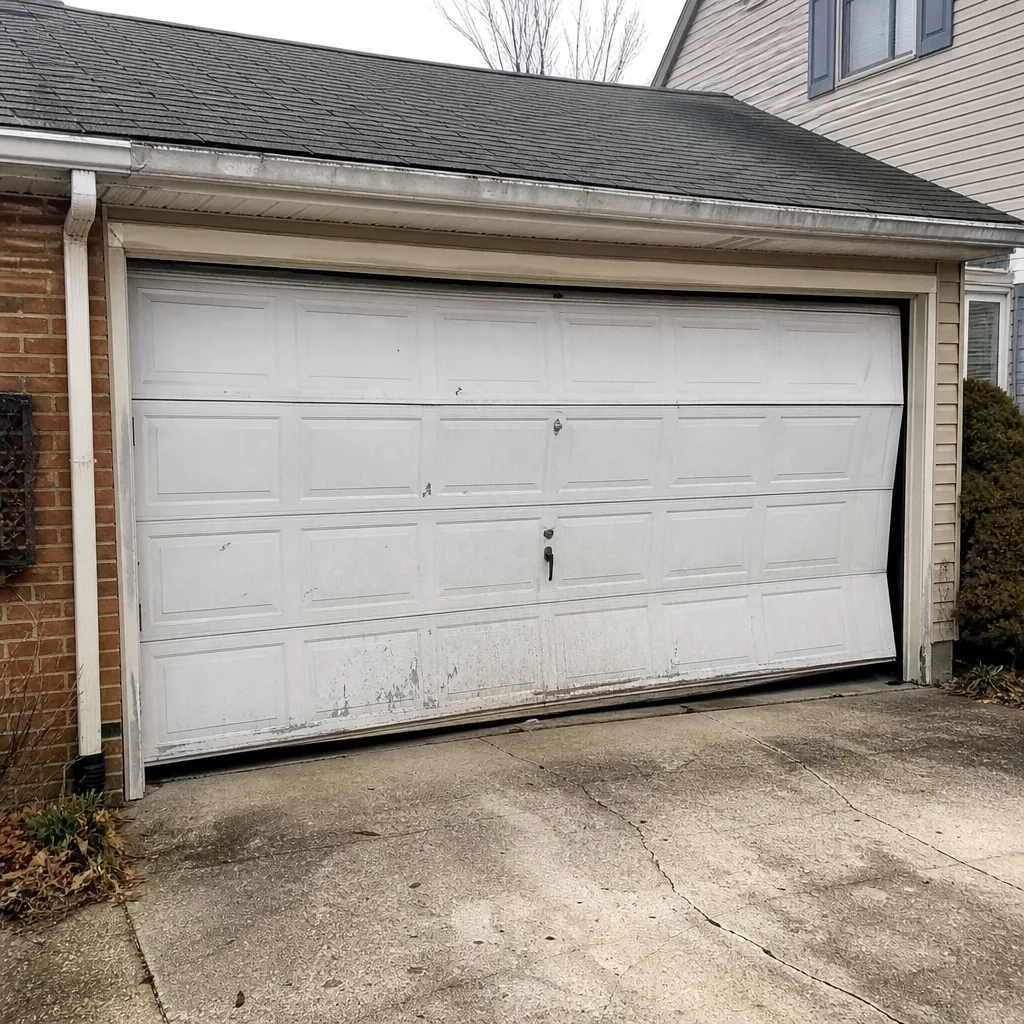
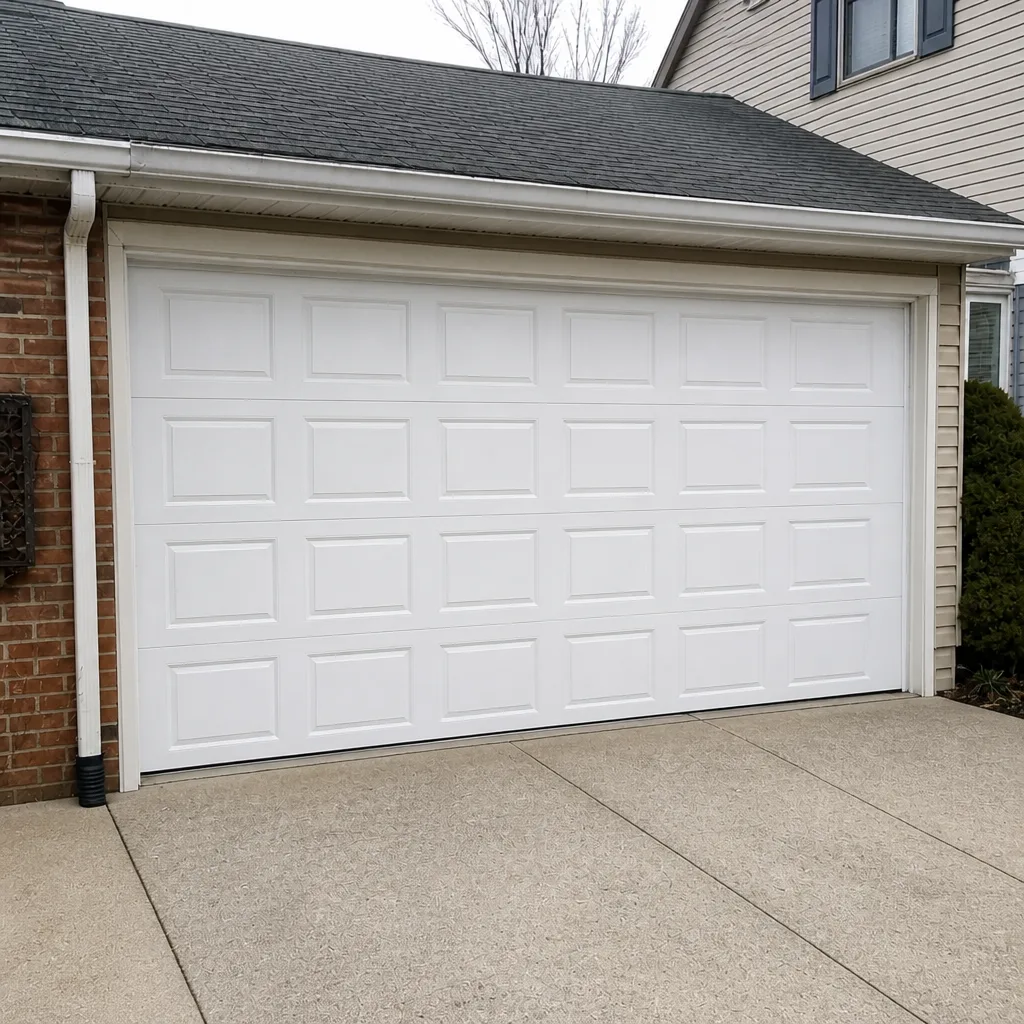
See the difference
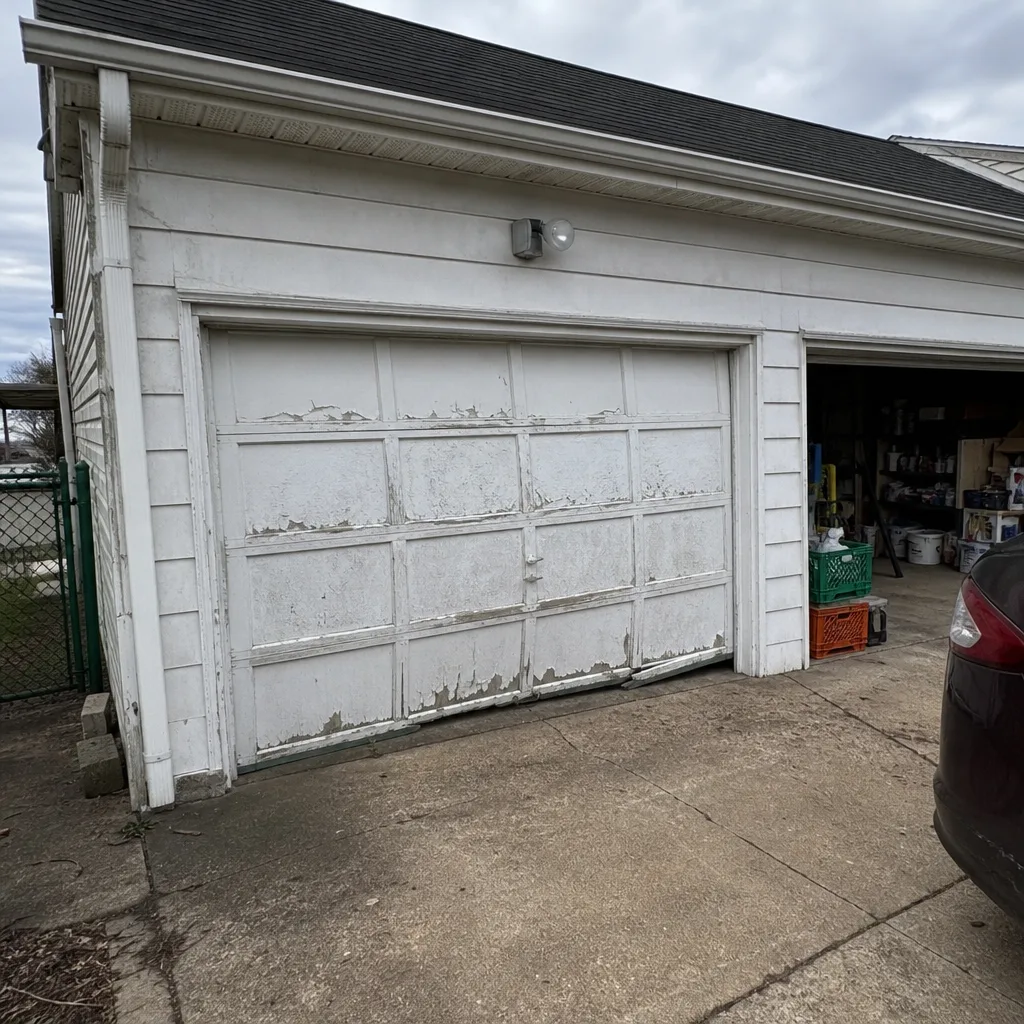 Before
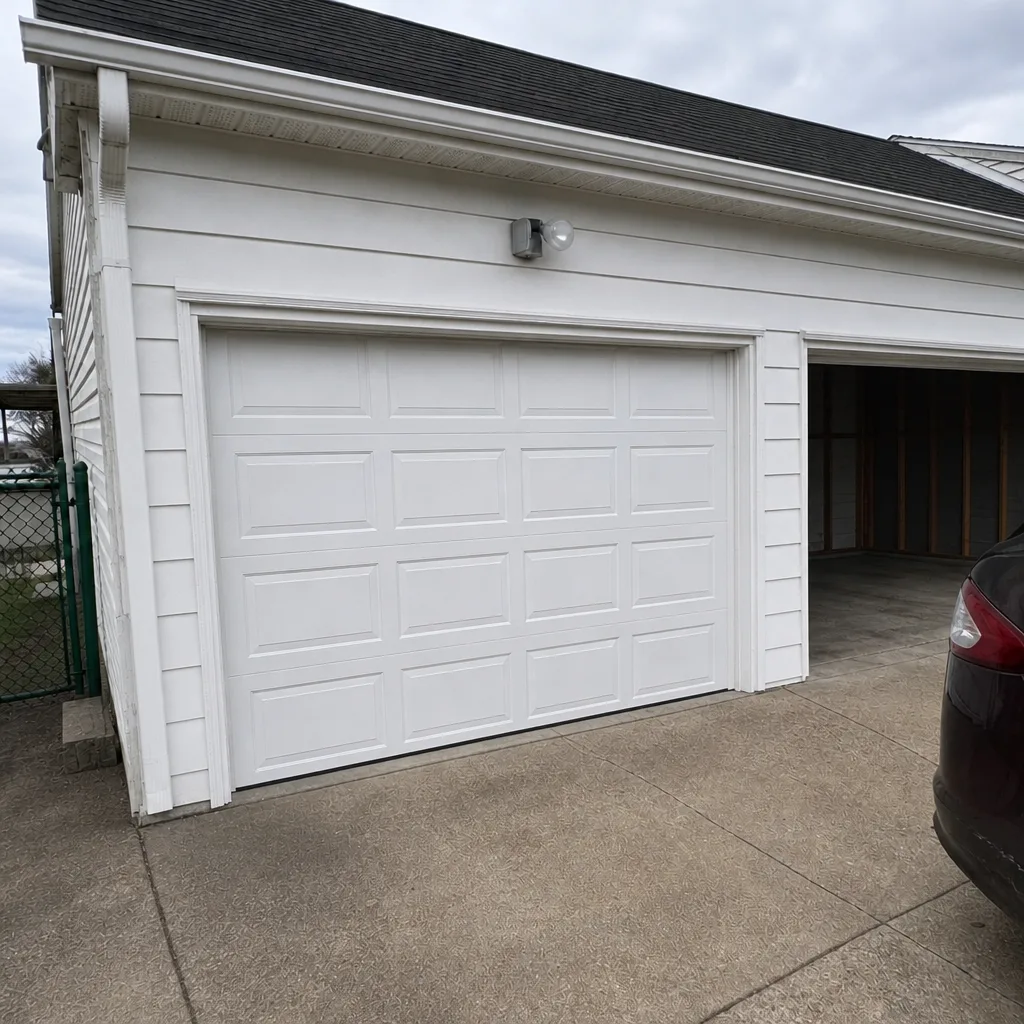 After
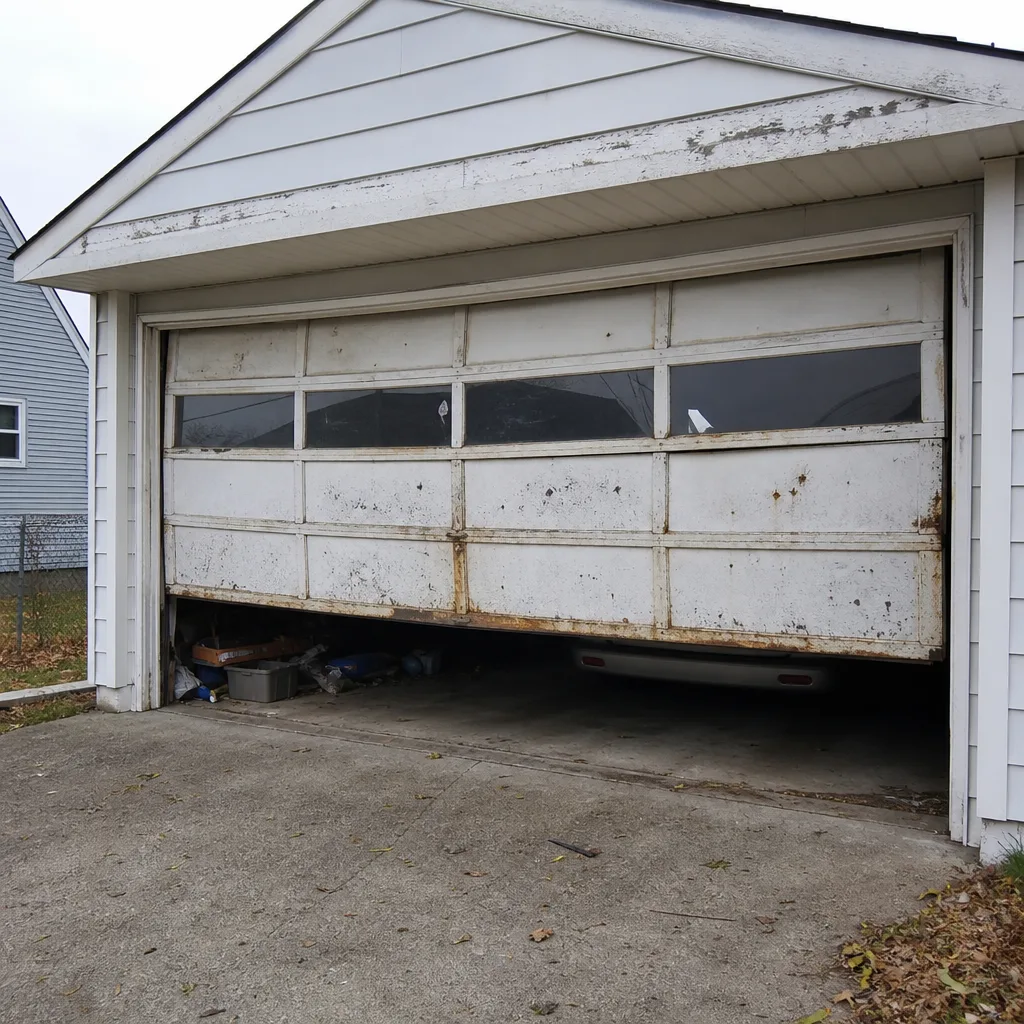 Before
 After
 Before
 After
When to Call a Professional
Call a professional whenever the door’s springs, cables, or torsion hardware are involved, whenever a door won’t open, close, or reverse safely, and whenever you hear a loud bang from the door or feel that it’s suddenly much heavier to open. Also call if the opener runs but the door doesn’t move, if the door is visibly off its track, or if your maintenance log points to a component near the end of its lifespan. These are the calls that become emergencies if ignored. The professionals we connect you with are licensed and insured as their state requires, and they can work with the brand you already own, whether that’s a Clopay or Amarr door with a Genie or LiftMaster opener, or a Wayne Dalton system that needs a fresh diagnosis. Levittown Garage Door Repair Co offers free estimates in Levittown, and pricing is quoted and agreed before any work starts. Call (833) 362-9987 and we’ll help you sort out whether it’s maintenance or a repair.
Frequently Asked Questions
You should do a light monthly check (safety-reverse test, listen for new noises) and a deeper seasonal tune-up four times a year, with the most important one in early fall before cold weather arrives. Levittown’s cold winters and humid summers stress components on different schedules, so seasonal timing matters more than a single annual checklist. If your door gets used more than a few times a day, lean toward the seasonal schedule and don’t skip the pre-winter inspection.
The safety-reverse test. It’s a two-minute check that confirms your door will reverse when it meets an obstruction, and it’s the single most important habit because a door that fails to reverse is genuinely dangerous. Test the photo-eyes at the same time and listen for any change in how the door sounds. If it fails either test, stop using the door until it’s checked. Call (833) 362-9987 if you’re unsure what you’re looking at, because estimates are free.
No. Springs are under extreme tension and storing or releasing that force without the right tools and training can cause serious injury. It’s not a matter of following steps; the danger is in the stored force itself, and it can fail without warning. Spring repair is a treated-as-specialist job, and we handle it with trained technicians for exactly that reason. If a spring is broken or the door is suddenly heavy, call a professional.
Costs depend on what’s needed: a routine tune-up, a single spring replacement, a cable replacement, or an opener issue all price differently, and in this market you’re typically looking at a low hundreds-of-dollars range for routine repairs and more for a matched spring pair or opener replacement. Prices vary by door type and hardware, so the written estimate sets the final price. Call (833) 362-9987 for an exact quote; estimates are free.
No. The price is quoted and agreed before any work starts. If the technician finds something different than expected, that’s discussed with you first, and the estimate is updated only with your approval before any additional work begins. The written estimate is the number that applies. Call (833) 362-9987 to set up a free estimate if you’re ready to plan ahead.
Yes. The local professionals we connect you with are licensed and insured as their state requires. Our technicians have up to 11 years of experience, and they’re trained to service systems from LiftMaster, Chamberlain, Genie, Clopay, Amarr, Wayne Dalton, Craftsman, and Raynor, so they can work with the brand already on your door rather than pushing a replacement. Call (833) 362-9987 with any questions about what a visit involves.
The Bottom Line
A garage door maintenance schedule works best as a seasonal rhythm, not a once-a-year chore. Match the tasks to the season: lubricate and test in spring, tighten and clean through summer, inspect weatherstripping and balance in fall, and check springs and cables before the freeze. Use the right products (white lithium and silicone, not WD-40), run the two-minute safety test monthly, and know the realistic lifespan of each component so you can plan a replacement instead of reacting to a failure. Keep a simple log, and leave the springs and cables to trained technicians. That mix is how a Levittown door stays quiet, safe, and reliable year after year.
If you’d rather have an experienced eye on your door than a checklist, or you’ve noticed a noise or a stubborn seal that needs attention, call the team at Levittown Garage Door Repair Co for a free estimate at (833) 362-9987. We’ll look at what your door needs right now and tell you plainly whether it’s maintenance or a repair.
Written by the team at Levittown Garage Door Repair Co.