Last updated November 23, 2026
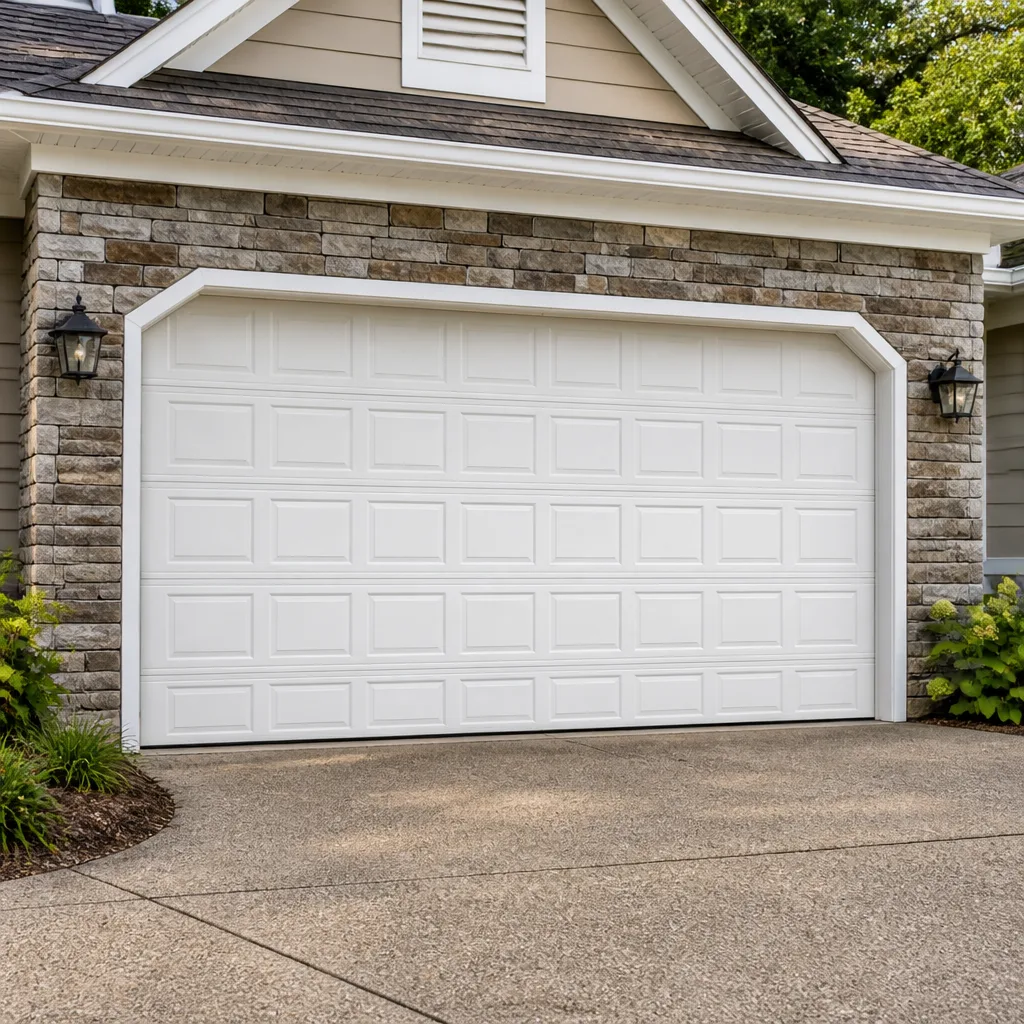 Raised-panel steel
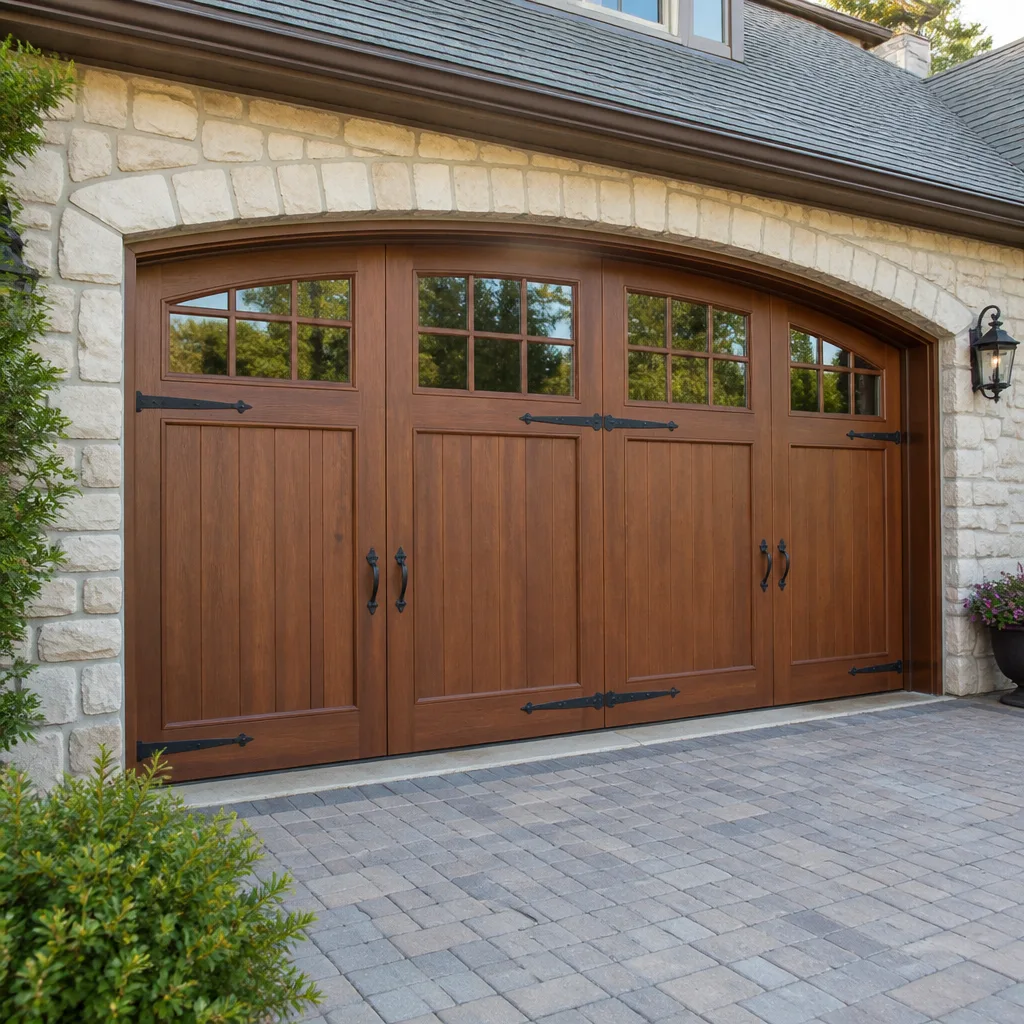 Carriage house
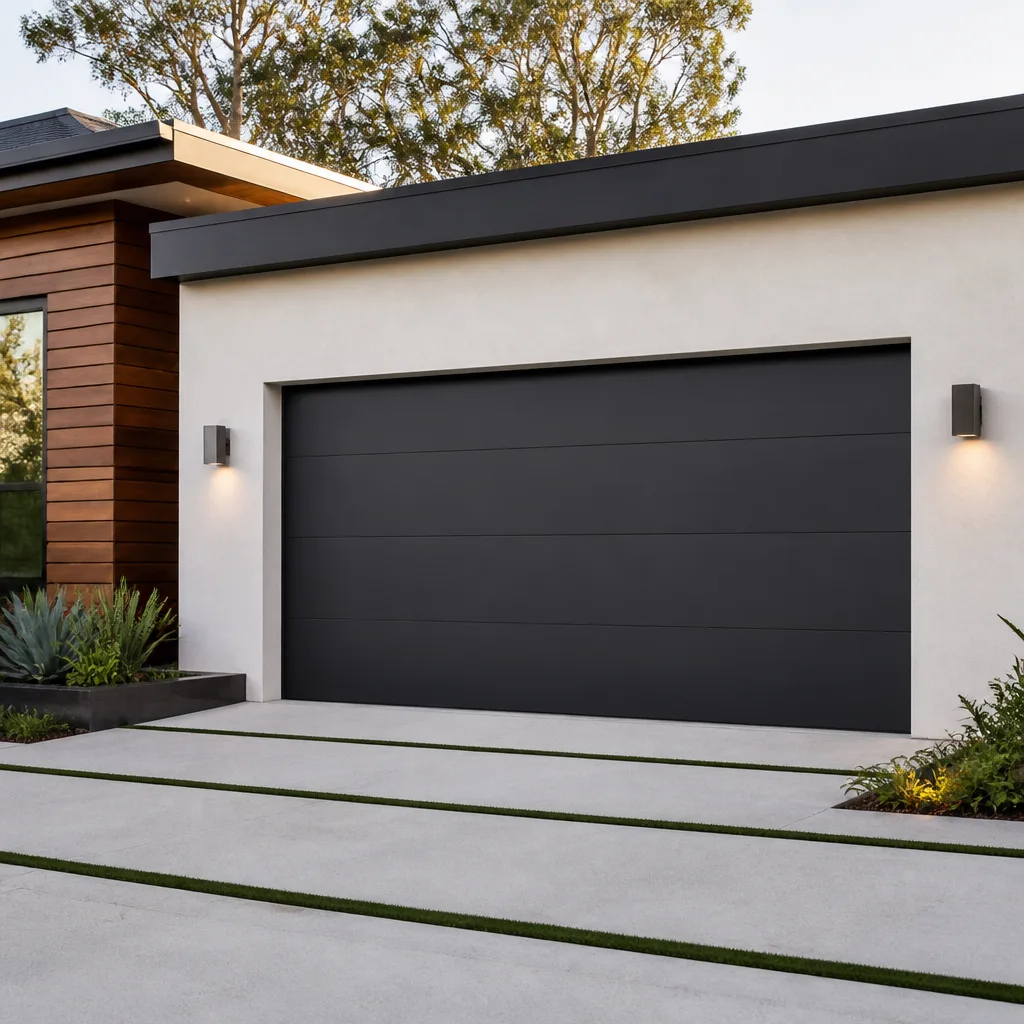 Modern flush
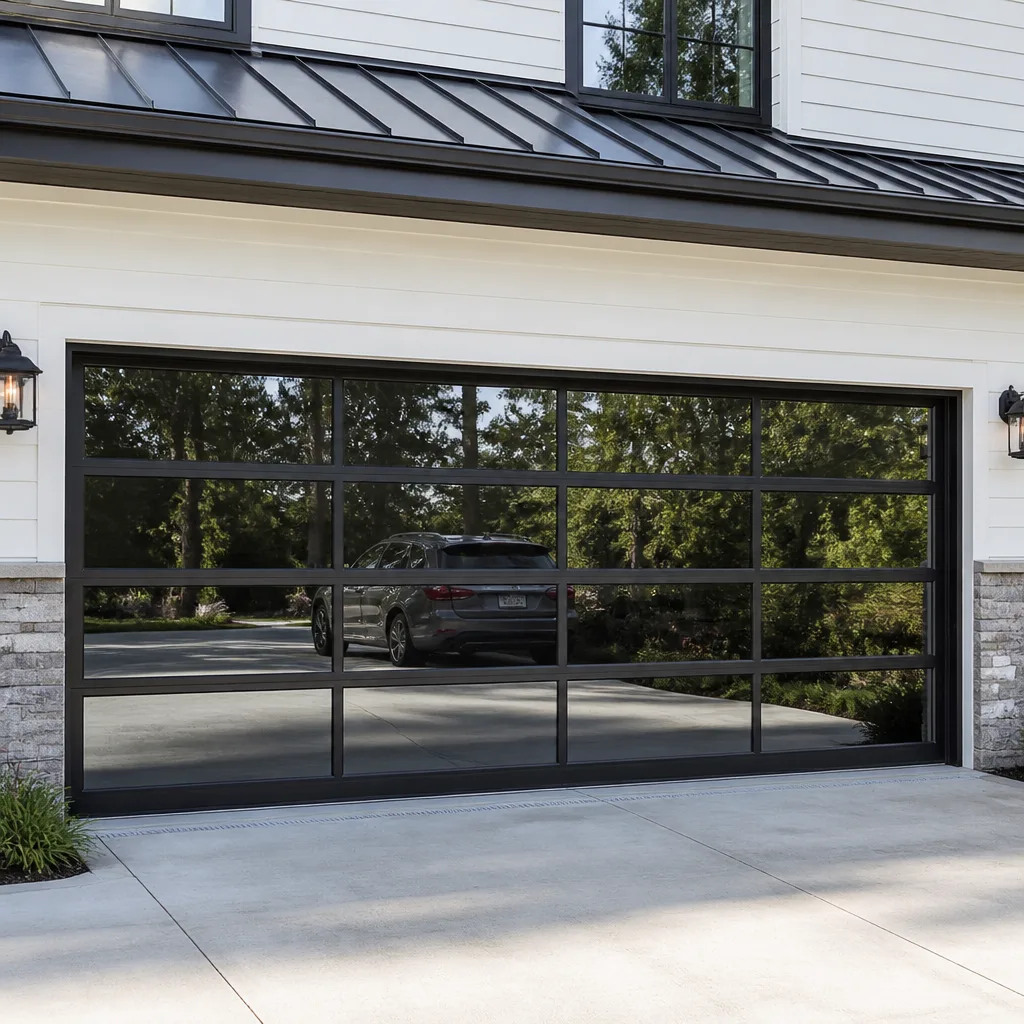 Full-view glass
 LiftMaster openers
 Chamberlain openers
Full 25-point door and opener safety check with every visit - springs, cables, rollers, tracks, and your LiftMaster or Chamberlain opener included
You get a price before we start. It does not change when the pro arrives.
Get your free estimateGarage Door Permits, Codes & Inspections in Levittown, PA: What You Need to Know
Here’s a misconception we run into constantly in Levittown: homeowners assume any garage door replacement needs a permit, so they either skip the project or pay for approvals they never needed. The opposite is just as common. A homeowner widens an opening or converts a space and never files a thing, and that paperwork gap sits quietly until a title company asks about it during a closing. Levittown’s housing stock makes both mistakes easy to fall into. This guide walks through which garage door projects in Bucks County municipalities typically require permits, which are exempt, when a structural review kicks in, how fire-rated doors between an attached garage and living space come into play, and what to do if you inherit unpermitted work.
Quick Answer
In most Bucks County municipalities, swapping a garage door of the same size into an unchanged opening is generally treated as exempt maintenance under the PA Uniform Construction Code (UCC), while anything that alters the structure – widening or raising a rough opening, changing headers, adding a new opening – typically requires a building permit and possibly an engineered review. Fire-rated separation between an attached garage and the living space is a code item that often draws inspection attention in Levittown homes with converted or finished garages. The reliable answer for your specific address is your municipality’s building department, and we always point homeowners there before any structural work begins.
Styles & brands we work with
- Raised-panel steel
- Carriage house
- Modern flush
- Full-view glass
- LiftMaster openers
- Chamberlain openers
Table of Contents
- Do you need a permit to replace a garage door in Levittown?
- Which garage door projects are typically exempt in Bucks County
- When a door replacement triggers a structural review
- Fire-rated doors between the garage and living space
- What to do if the previous owner did unpermitted work
- Documentation a contractor should hand you every time
- How a garage door inspection actually goes
- Common mistakes to avoid
- Frequently asked questions
Do You Need a Permit to Replace a Garage Door in Levittown?
For a straight replacement – same width, same height, same opening, same track configuration – the answer in most Bucks County municipalities is usually no. The PA Uniform Construction Code governs how local building officials treat residential work, and a like-for-like door swap is generally classified as maintenance rather than new construction. That’s the ordinary case, and it covers the majority of the jobs we handle in Levittown.
A permit typically enters the picture when the physical structure changes. That includes:
- Widening or narrowing the rough opening
- Raising the header height for a taller door
- Cutting a new opening where none existed
- Converting a wall or carport into a garage door bay
- Adding structural reinforcement around an aging opening
The exact boundary between “maintenance” and “construction” is set by your local code official, not by us. Some Levittown-area municipalities want a permit application for anything that touches framing. Others will greenlight a same-size swap with a quick phone conversation. We’ve learned not to guess on your behalf. Before any job with structural implications, we tell the homeowner to call their building department and confirm the requirement in writing. It takes a few minutes and it saves a lot of grief at closing.
One more wrinkle worth flagging: many Levittown homes were built during the postwar expansion, and their original garage openings were sized for a specific car and a specific era. A modern door is heavier, sometimes wider, and often requires different spring capacity. That doesn’t automatically mean a permit, but it does mean the opening should be measured carefully before anyone orders a door. If you’re not sure whether your project crosses the line, we’re glad to talk it through during a free estimate.
Which Garage Door Projects Are Typically Exempt in Bucks County
Exempt projects in the UCC sense are those that don’t change the structure or use of a building. In practice, for garage doors in Levittown, the following usually fall on the exempt side:
- Like-for-like door replacement – same size, same opening, same tracks and hardware layout
- Spring and cable replacement – a mechanical repair with no structural impact
- Opener replacement – swapping a LiftMaster, Chamberlain, Genie or Craftsman unit in the same mounting footprint
- Panel replacement or section swap – replacing a damaged section without altering the opening
- Track realignment and hardware repair – normal service work
- Weather seal and threshold replacement – a maintenance item
Spring work deserves a note here. Springs are under extreme tension, and swapping them is a job for a trained technician regardless of permit status. That’s one reason we handle garage door spring repair as its own service rather than treating it as general handyman work. No permit, but plenty of safety risk if it’s done wrong.
When homeowners ask us whether a new opener needs a permit, the honest answer is that in most Levittown installations it doesn’t. The one exception is when the opener installation is part of a larger project that itself required a permit, such as converting a garage into a living space or adding a new structure. In those cases, the electrical work and the door hardware are tied to the same permit approval. If you’re adding a smart opener to an existing garage, that’s typically routine. If you’re wiring a garage that’s never had power, ask your building department first.
Exempt doesn’t mean unimportant. A same-size replacement done badly – wrong spring rating, poorly aligned tracks, a door that binds – creates problems that no inspection will catch until the door fails. Getting the door diagnosed correctly the first time matters more than the paperwork.
When a Door Replacement Triggers a Structural Review
Structural review enters a garage door project the moment the opening itself changes. In Levittown, where many homes have garages built into the original postwar footprint, the framing around those openings was sized to the door that came with the house. Widening that opening requires new headers, new posts, and often reinforcement of the wall above the door, because the load path changes. That is a structural modification, and in most Bucks County municipalities it means a building permit and, depending on the scope, a design from a licensed engineer.
The steps usually look like this:
- Measure the existing opening. Record the rough opening dimensions, the header height, and the wall thickness. A door that fits the existing opening avoids all structural questions.
- Confirm code requirements in writing. Call your municipality’s building department and describe the exact change. Ask whether a permit is needed and what drawings you’ll be asked to submit.
- Engage an engineer if the header or posts change. Most municipalities want a stamped drawing or a prescriptive detail before they’ll issue a permit for a widened opening.
- Order the door to the approved opening. Never order the door first and modify the structure second. Manufacturers like Clopay, Amarr, Wayne Dalton and Raynor build to the dimensions you specify, and a door built short or long is a door that has to be remade.
- Schedule inspection before finish work. Framing inspection typically happens before drywall, trim or paint go back on.
The failure we see most often is ordering the door before the structural question is settled. Homeowners get a quote for a wider door, put down a deposit, and then discover the header work needs engineering and permits. That knot of delays is almost always avoidable with one phone call up front. If you’re about to replace a door in Levittown and you’re unsure whether your opening will pass, we can help you think through it during a free on-site estimate.
Fire-Rated Doors Between the Garage and Living Space
The door between an attached garage and the living space is a fire separation item under PA residential code, and it’s one of the most commonly overlooked requirements during a garage project. That door is not a normal interior door. It’s there to slow the spread of fire and fumes from the garage into the house, and it’s typically required to carry a fire rating when the garage is attached to the dwelling.
What homeowners should know about fire-rated separation doors:
- They’re inspected as part of the overall garage-to-house separation, not as a decorative choice.
- Self-closing hardware is often part of the requirement, so the door doesn’t get propped open.
- A hollow-core interior door sold as a garage entry is usually not the right product.
- If a past renovation replaced that door with a standard interior door, a subsequent garage project can bring the issue to light.
We don’t install or replace the fire-rated door between the garage and the living space – that’s a carpentry item for your municipality and a licensed carpenter to advise on. But the separation between the two spaces affects the door we install and the venting calculations for your garage. If you’re replacing a garage door on a Levittown home where the garage has been finished or converted, ask the building department whether the fire separation door needs to be brought up to code at the same time. It’s a simple question with a clear answer, and it doesn’t cost anything to ask.
One practical point: don’t let anyone tell you the fire-rated door is only required in new construction. PA residential code treats the garage-to-house separation as a life safety item, and many inspectors will flag it during any permitted project that touches the garage envelope, even on an existing home.
What to Do If Previous Owners Did Unpermitted Work
You’re replacing your garage door and discover the opening is wider than any standard size, or there are signs of past framing changes with no paper trail. That’s not unusual in Levittown, where homes have passed through several owners and time. The practical path forward is manageable, but it does need to be handled deliberately.
- Pull whatever records exist. Your municipality’s building department can tell you what permits were issued for the address and what inspections were recorded. Some towns have records online; others require a walk-in request.
- Document the current condition. Photograph the opening, framing and any exposed structure. Measurements and clear photos give the building department something concrete to react to.
- Ask about a permit-after-the-fact process. Many municipalities have a procedure for legalizing unpermitted work, often requiring an inspection and, depending on the scope, engineered drawings.
- Let the code official scope the fix. The building department decides what documentation and remediation is required. Don’t let a contractor decide for you, and don’t try to guess based on what worked for someone else.
- Address the door as part of the same project. If the opening needs to be brought into compliance, size the new door after the approved dimensions are set. Ordering a door before that step wastes time and money.
One misconception to clear up: unpermitted work is not automatically a problem. What causes trouble is discovering it at the wrong moment – during a sale, at a title company inquiry, or after a contractor has already installed a door that doesn’t fit the legal opening. Getting ahead of the paperwork is often cheaper and faster than the alternative. This is also where the earlier documentation advice comes in handy: if you’re replacing an unpermitted door, insist on records for the new installation, including spring specs and safety hardware. In our experience, the paper trail from a properly installed door also helps answer code questions down the road.
Documentation a Contractor Should Hand You Every Time
Whether or not a permit is required for the door itself, the contractor should leave you with records that matter for the life of the installation. These are the documents that make future service, insurance claims and eventual closings go smoothly in Levittown homes that have already seen several door replacements over the years.
- Installation record with date and address. Model, size, color and manufacturer of the door that went in.
- Spring specification. The wire gauge, inside diameter, length and cycle rating of the springs used, so a future replacement uses the correct spring and not one sized by eye.
- Opener model and serial number. Include brand and whether the opener has a backup battery and Wi-Fi capability, since both affect service calls.
- Safety hardware confirmation. That the door has a functioning auto-reverse and photo-eye setup, with the test date.
- Track and hardware specifications. Track size, roller type and hinge configuration.
- Warranty paperwork. Manufacturer warranty terms for the door and opener, plus the service contact information you’ll need later.
- Permit number if applicable. If the project was permitted, keep the permit number and final inspection record with your home files.
Why does this matter? Because garage doors are serviced and repaired for their full life, and without a spec sheet the next technician has to guess. Springs sized by eye wear prematurely. Openers replaced with a different brand can leave safety hardware mismatched. And a door that was documented correctly can answer the code questions a title company or home inspector will raise later. If you’ve bought a Levittown home with a garage door of unknown age, ask a technician to record the current spring and opener specs during your first service call. It’s inexpensive and it pays off.
We hand homeowners these records as part of any installation quote. When you’re ready to plan your door or opener, we provide a written estimate that includes the door model and spring specification before work begins. Price is quoted and agreed before anything is ordered.
How a Garage Door Inspection Actually Goes
An inspection of a garage door isn’t a permit inspection – it’s a service check that catches the failures that lead to accidents and closures. It can be done at any time, and it’s worth doing on any door that hasn’t been serviced in a while. Here’s what a proper inspection covers in a Levittown home.
- Spring and cable condition. Look for stretching, uneven tension, rust and cable wear at the drums. Springs are under extreme tension – never adjust them yourself.
- Torsion and track alignment. Check whether the door travels evenly side to side and whether the tracks are plumb.
- Safety reverse test. Place an object in the path and confirm the door reverses. Test the reverse on obstruction with the opener’s electronic eye and with the mechanical reverse.
- Opener force settings and balance. The door should balance at half-open. An opener straining to lift it is a sign of spring trouble, not opener trouble.
- Panel and section condition. Check for bent sections, cracked panels and worn hardware. On single-panel doors typical of many Levittown homes, panel integrity matters more than on sectional doors.
- Fire separation door. Confirm the garage-to-house door closes and latches properly and hasn’t been swapped for a hollow-core interior door.
- Documentation check. Confirm the spring and opener specs are recorded so future service uses the correct parts.
If your opener has glitched, failed to reverse or stopped responding entirely, that’s a separate garage door opener repair call. We service LiftMaster, Chamberlain, Genie and Craftsman openers, both legacy and current Wi-Fi-enabled models, so if something has failed you don’t need to replace the whole system to get it working again. An inspection that catches a worn spring or an opener force setting gone out of spec is far cheaper than a door failure.
Inspections are a normal part of service for any garage door repair visit and cost nothing on top of the service call. If you have a permit inspection scheduled with your municipality, the two are separate processes, and the building department handles the permit side. Our inspection is about your door’s health, not your paperwork.
See the difference
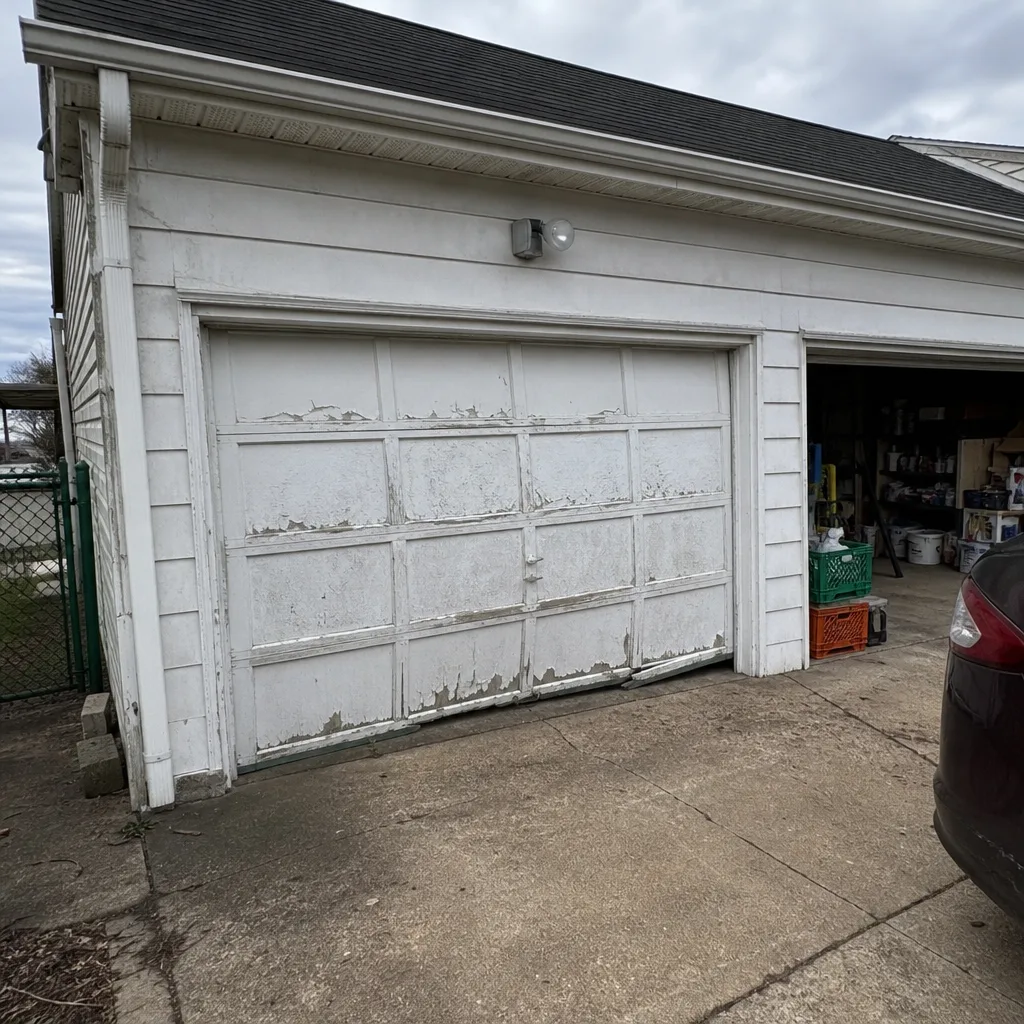 Before
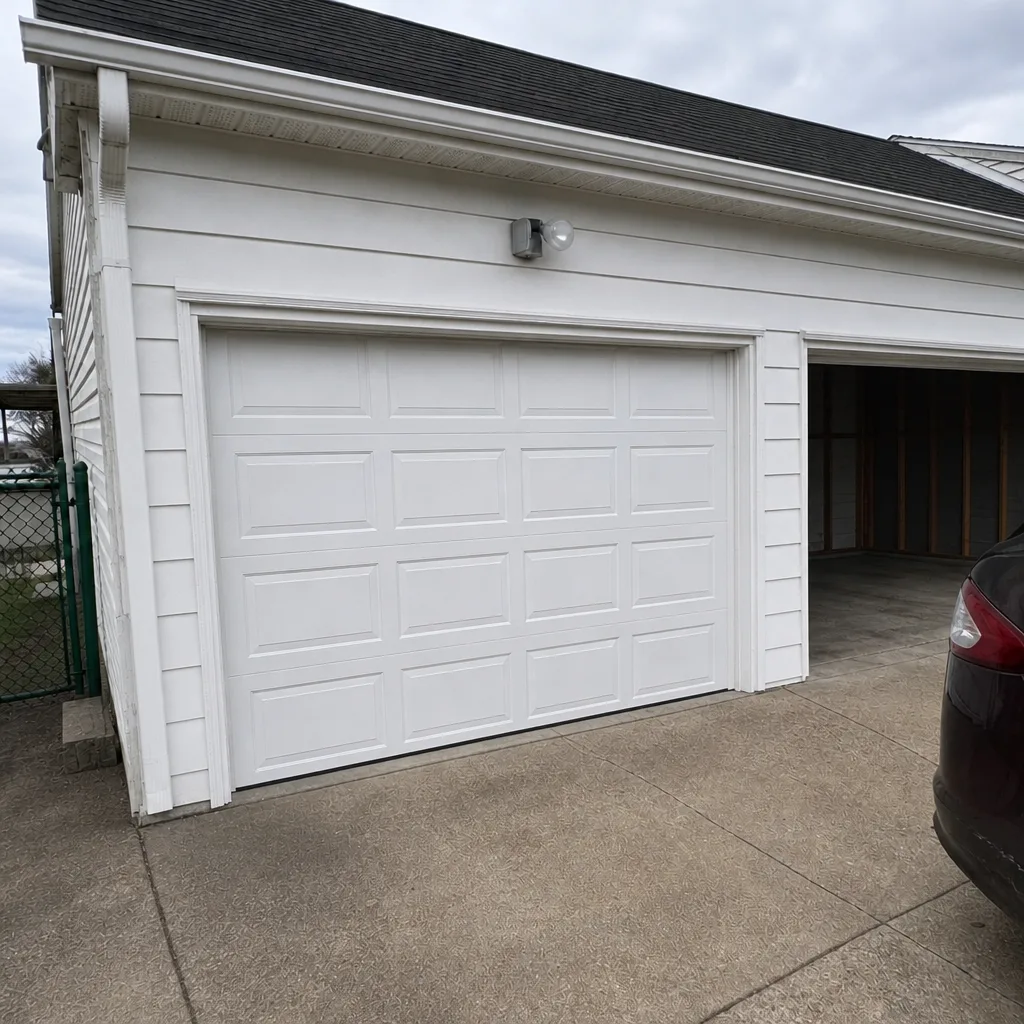 After
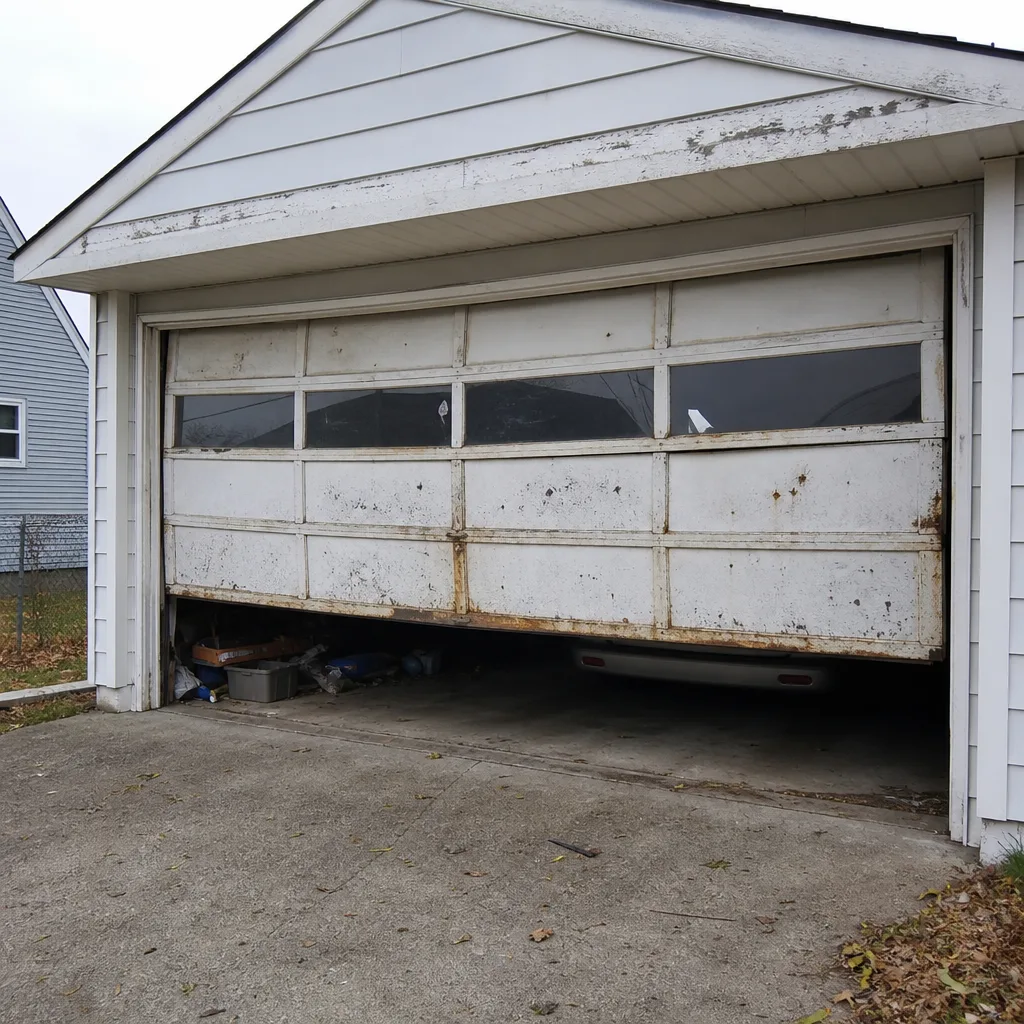 Before
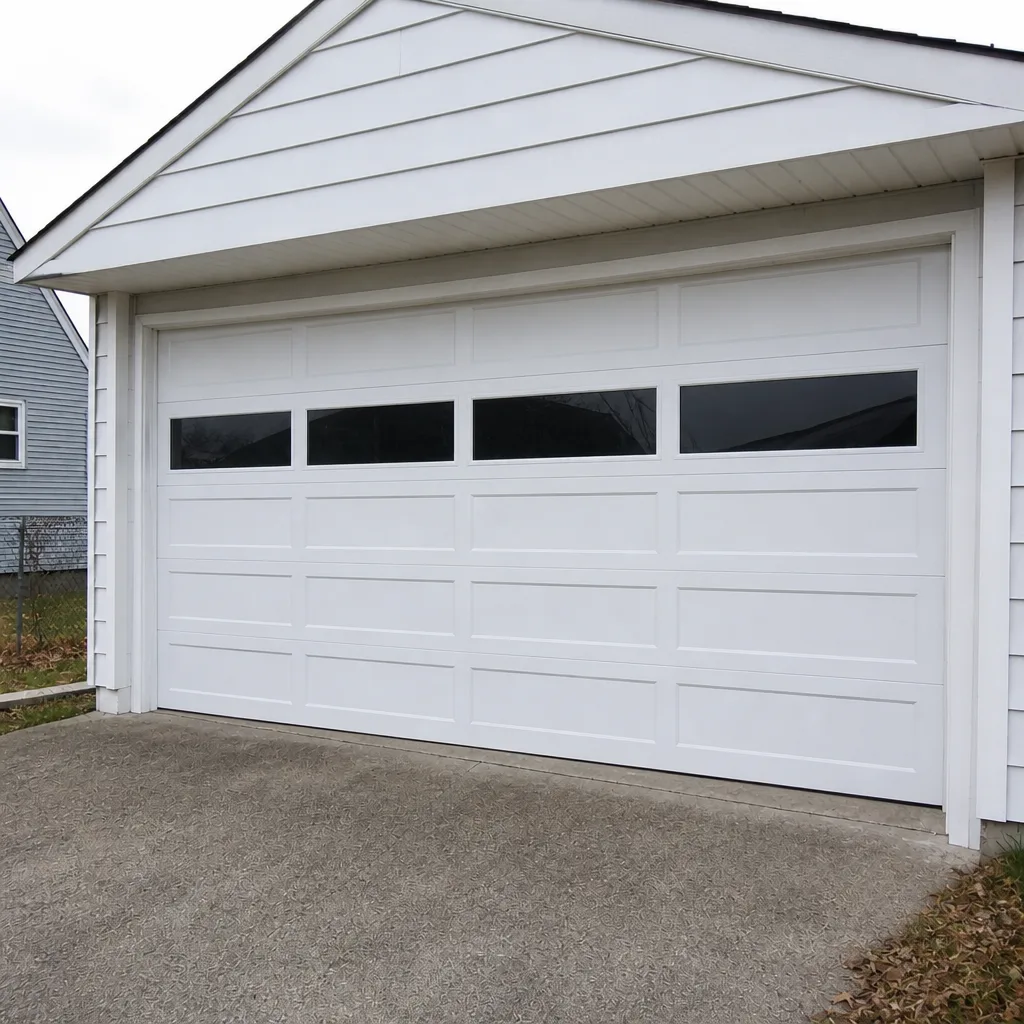 After
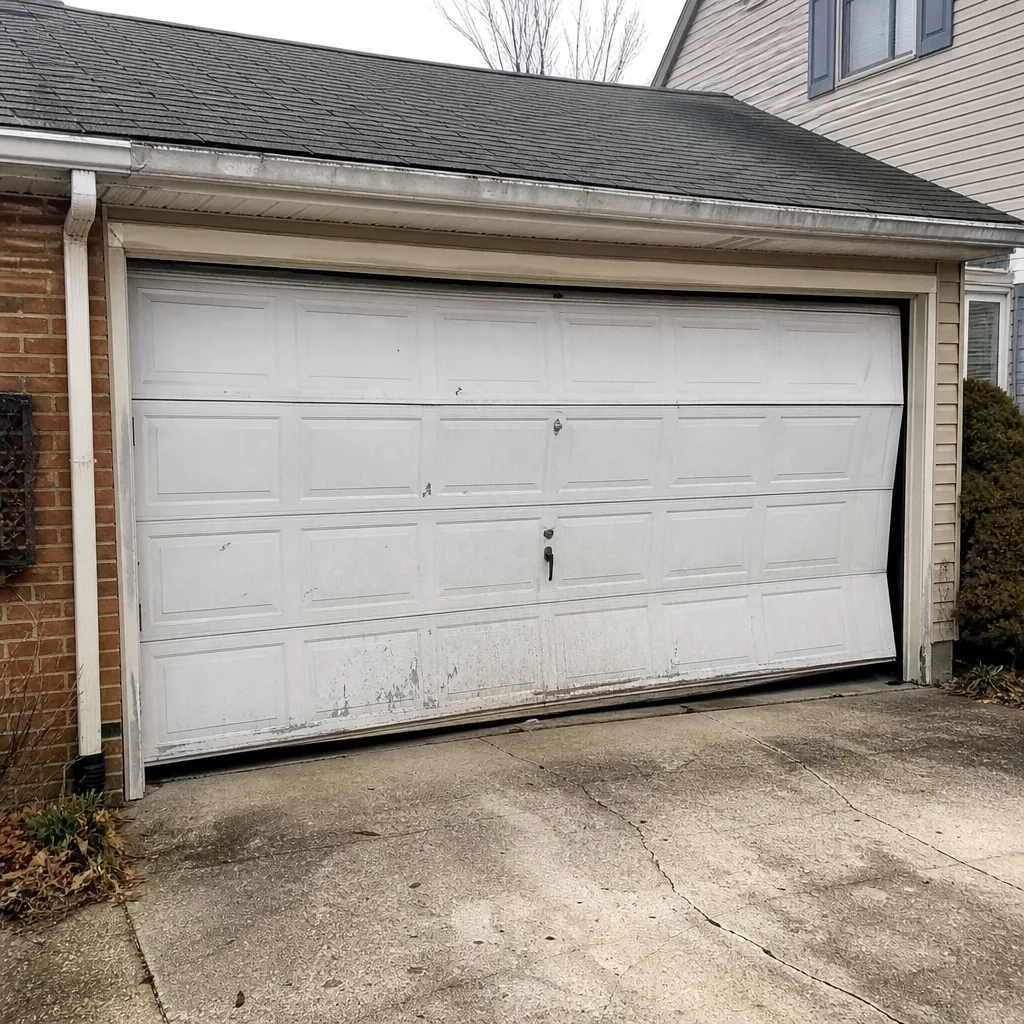 Before
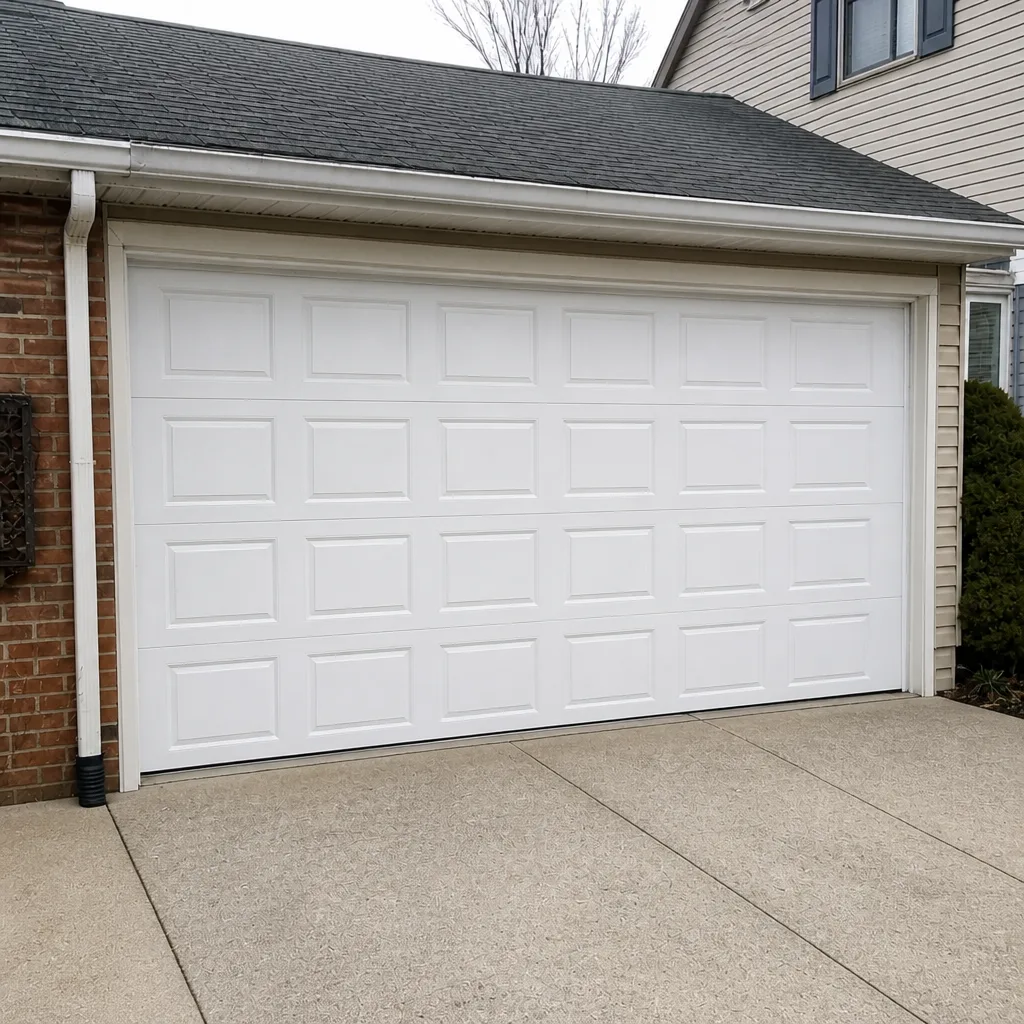 After
Common Mistakes to Avoid
- Assuming every replacement needs a permit. In most Levittown-area municipalities a same-size door swap is exempt, and a permit application for it is wasted time and money. Ask first.
- Ordering a door before confirming the opening size. A widened opening, a converted carport and a header change all require engineering and permits before the door is built. Order after approval.
- Ignoring the fire-rated door between garage and house. A hollow-core interior door in that position can flag during a permitted project, and it’s the wrong product regardless. Match the door to the code requirement.
- Letting a handyman adjust springs. High-tension springs cause serious injury if they let go, and generalists often decline for good reason. Use a technician trained for spring work.
- Skipping documentation for unpermitted work. If you inherited a modified opening, get the paperwork squared away before you replace the door. A closing later is not the time to discover it.
- Missing the fire separation check during a garage envelope project. Most municipalities want it confirmed when the garage envelope is touched. It’s a small add-on at the right time and an ugly discovery at the wrong time.
- Ignoring what the opener is telling you. An opener that struggles to lift the door is usually signaling a spring problem, not an opener problem. Diagnose before replacing.
When to Call a Professional
A few situations clearly call for a trained technician rather than a weekend attempt. A snapped spring, a cable that’s come off the drum, or a door that won’t travel evenly – all spring and cable work, all requiring proper training and the right tools. An opener that’s stopped responding, reversed unexpectedly, or failed to reverse when tested needs a diagnostic before anyone buys parts. A door that won’t close fully, leaves a gap at the floor, or has bent sections is more than a hardware swap. And if you’re planning to replace the door, widen an opening or convert a space, get an estimate and a written scope before you do anything structural. The Levittown Garage Door Repair Co team offers free estimates in Levittown – call (833) 362-9987.
Frequently Asked Questions
In most Bucks County municipalities, a like-for-like garage door replacement – same size, same opening – is generally treated as exempt maintenance under the PA Uniform Construction Code. A permit is usually required when you change the opening itself, such as widening, raising, or converting a wall. The exact answer for your address comes from your building department, and we always recommend asking them in writing before structural work. Call (833) 362-9987 for a free estimate on the installation side – estimates are free.
Unpermitted work from a past owner is manageable – pull whatever records your municipality has, document the current opening with photos and measurements, and ask the building department about their permit-after-the-fact process. Many municipalities have a legalization procedure requiring inspection and, depending on scope, drawings. Handle this before ordering a new door so the replacement is sized to the approved opening, not the unapproved one. Call (833) 362-9987 – we can walk you through the practical order of steps on a free estimate.
Yes – the door between an attached garage and the living space is a fire separation item under PA residential code and is typically required to carry a fire rating. Hollow-core interior doors are often the wrong product for that position, and many inspectors look at the separation when the garage envelope is being changed. Confirm the requirement with your building department, then have a licensed carpenter handle the door itself. We don’t install that door, but we can tell you what the garage side of the project needs. Call (833) 362-9987 for a free estimate.
No – the price quoted and agreed before work starts is the price. We inspect, measure and confirm the spring and opener specs, then put the scope and price in a written estimate before any parts are ordered or any work begins. If we find something during the visit that affects the scope, we’ll tell you before we proceed, not after. Call (833) 362-9987 for a free estimate.
Often, yes. Emergency garage door service is a real offering, not a vague promise – a snapped spring, a door stuck open, or an opener failure is a same-day priority when it blocks access or leaves the house unsecured. We service the brand you already have, so you’re not pushed toward a replacement system you didn’t ask for. Call (833) 362-9987 and we’ll do our best to get you back in service today.
We service LiftMaster, Chamberlain, Genie, Clopay, Amarr, Wayne Dalton, Craftsman and Raynor, which covers the systems installed on most Levittown homes. That means a Clopay door replacement doesn’t require switching to a new product line, and a Chamberlain or Craftsman opener with a failed board can usually be diagnosed without replacing the whole opener. We also handle full installation for Clopay, Amarr, Wayne Dalton and Raynor doors. Call (833) 362-9987 for a free estimate on your project.
Yes – always. We measure the existing opening, check header height and track configuration, and confirm fire separation details before ordering. This is the moment when the permit and structural questions get settled, so a new door isn’t built to a size that later needs modification. If the opening has been changed by a previous owner, this is exactly when we catch it. Call (833) 362-9987 for a free on-site estimate.
The Bottom Line
Most garage door replacements in Levittown don’t need a permit. The ones that do are the ones where the opening or structure changes – widened, raised, converted – and those are the projects that can quietly create problems at a future closing if they’re done without paperwork. Fire separation between the garage and living space is the other code item that comes up often in Levittown homes, and it’s worth confirming with your municipality during any project that touches the garage envelope. If you inherit unpermitted work, the path forward is deliberate but not difficult: pull records, document, ask about legalization, then size the new door to the approved opening. Our technicians have up to 11 years of experience, and we service eight of the most widely installed garage door and opener brands so the door you already own usually stays the door you keep. Call (833) 362-9987 for a free estimate and we’ll help you work through the paperwork questions before anything gets ordered.
Written by the team at Levittown Garage Door Repair Co.